Aleppo 1999
A city at one point is a still photograph of a complex system of building and destroying, of organizing and reorganizing (Janet Abu-Lughod)
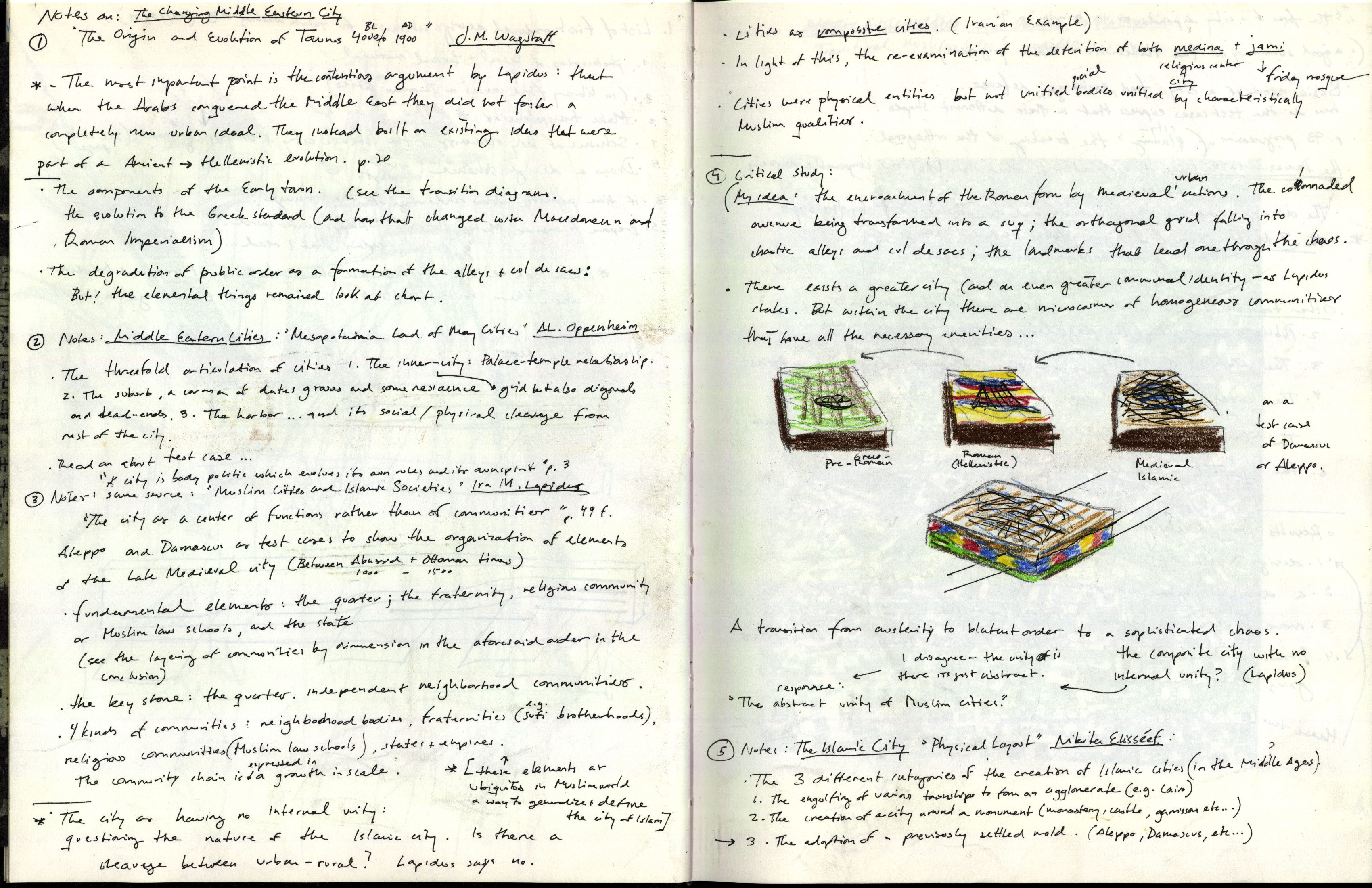
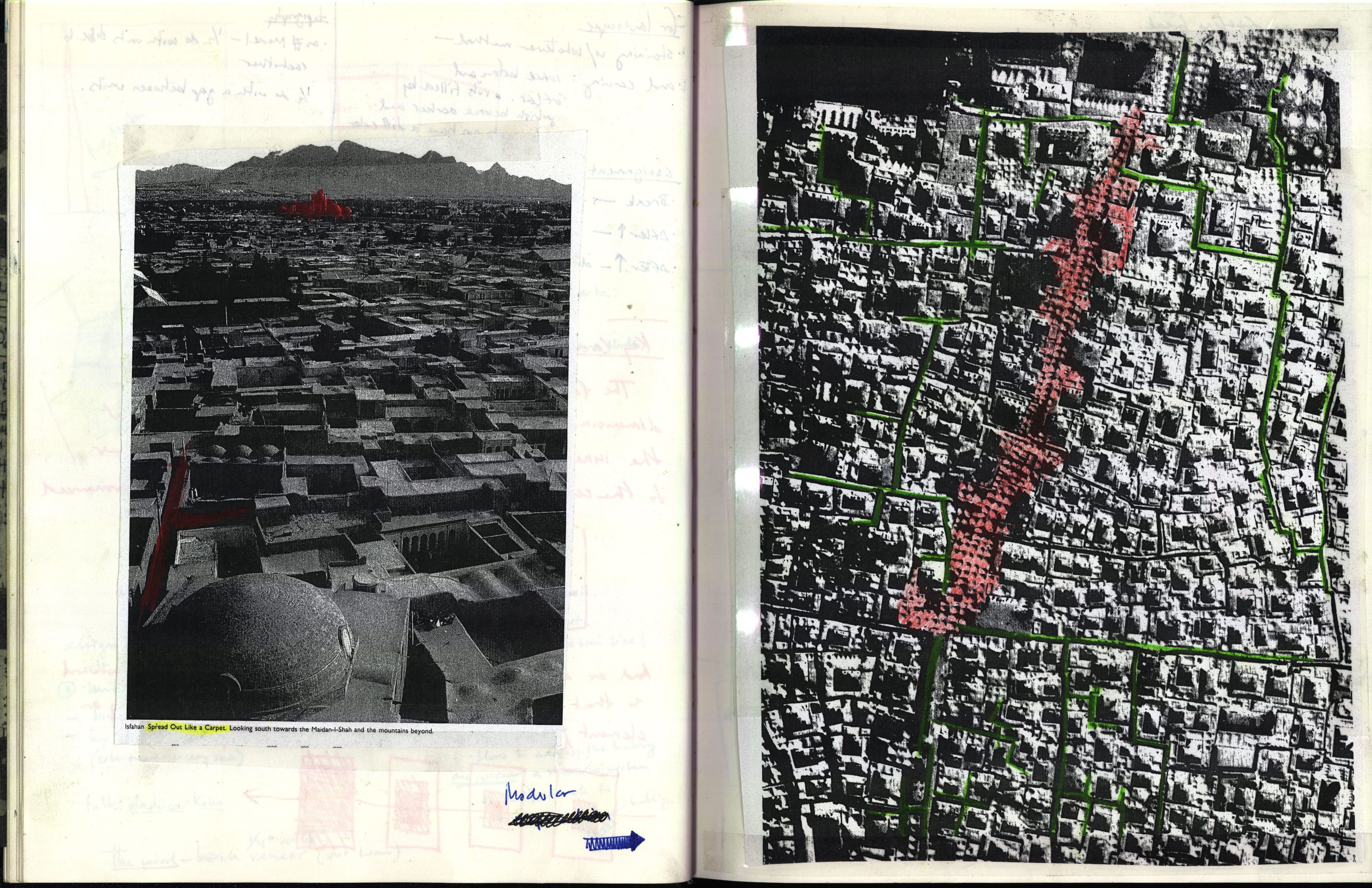
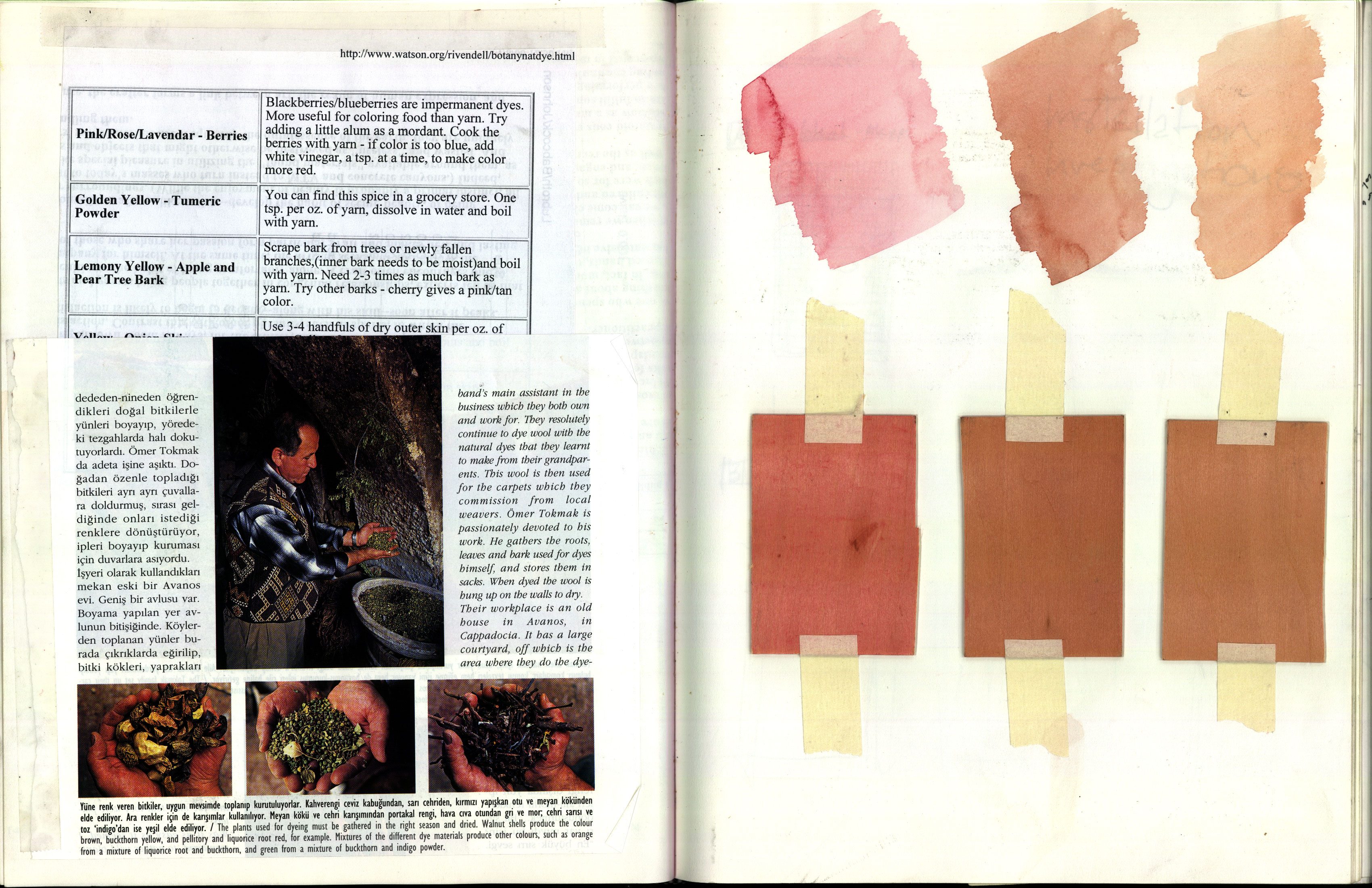
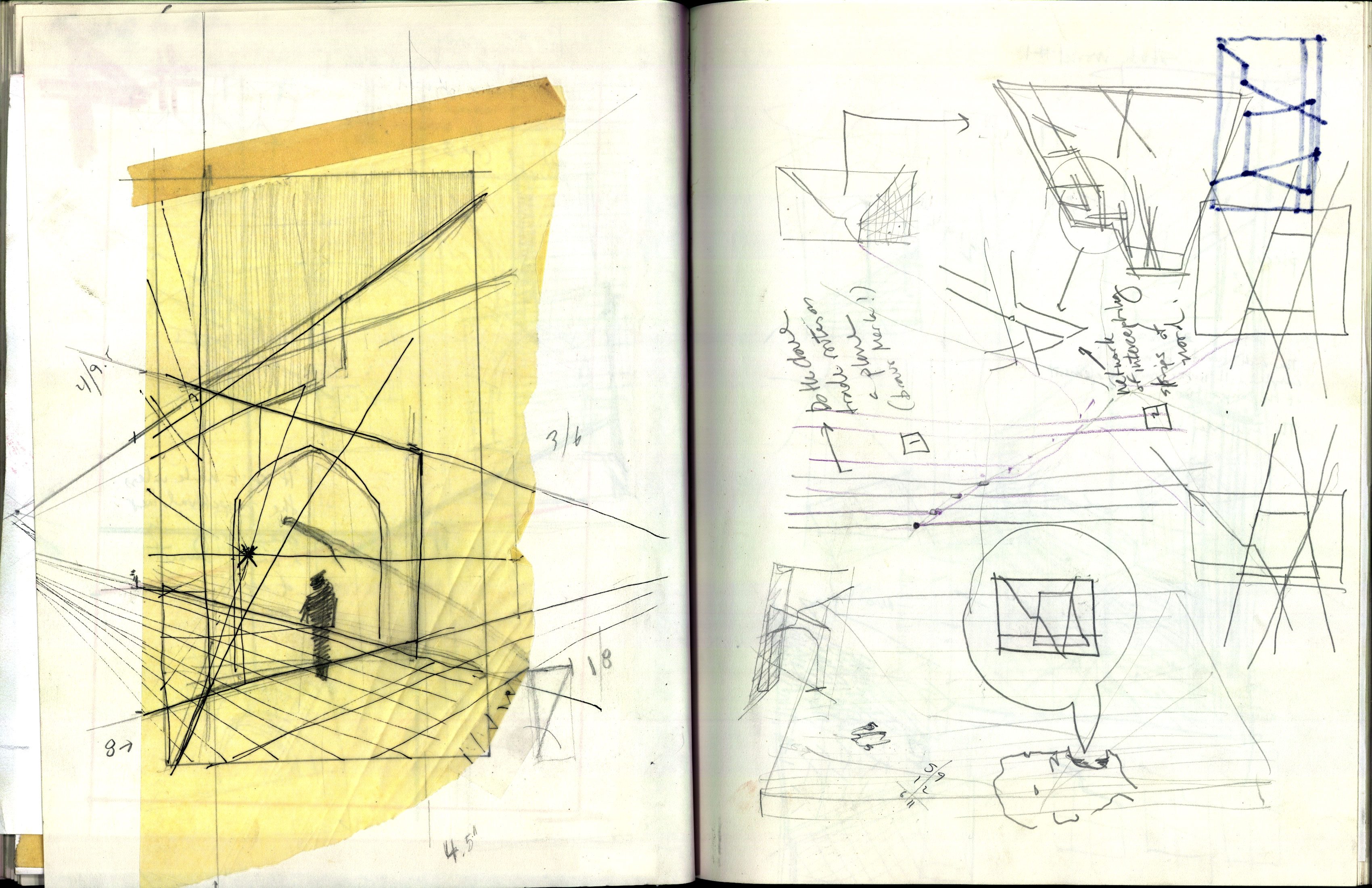
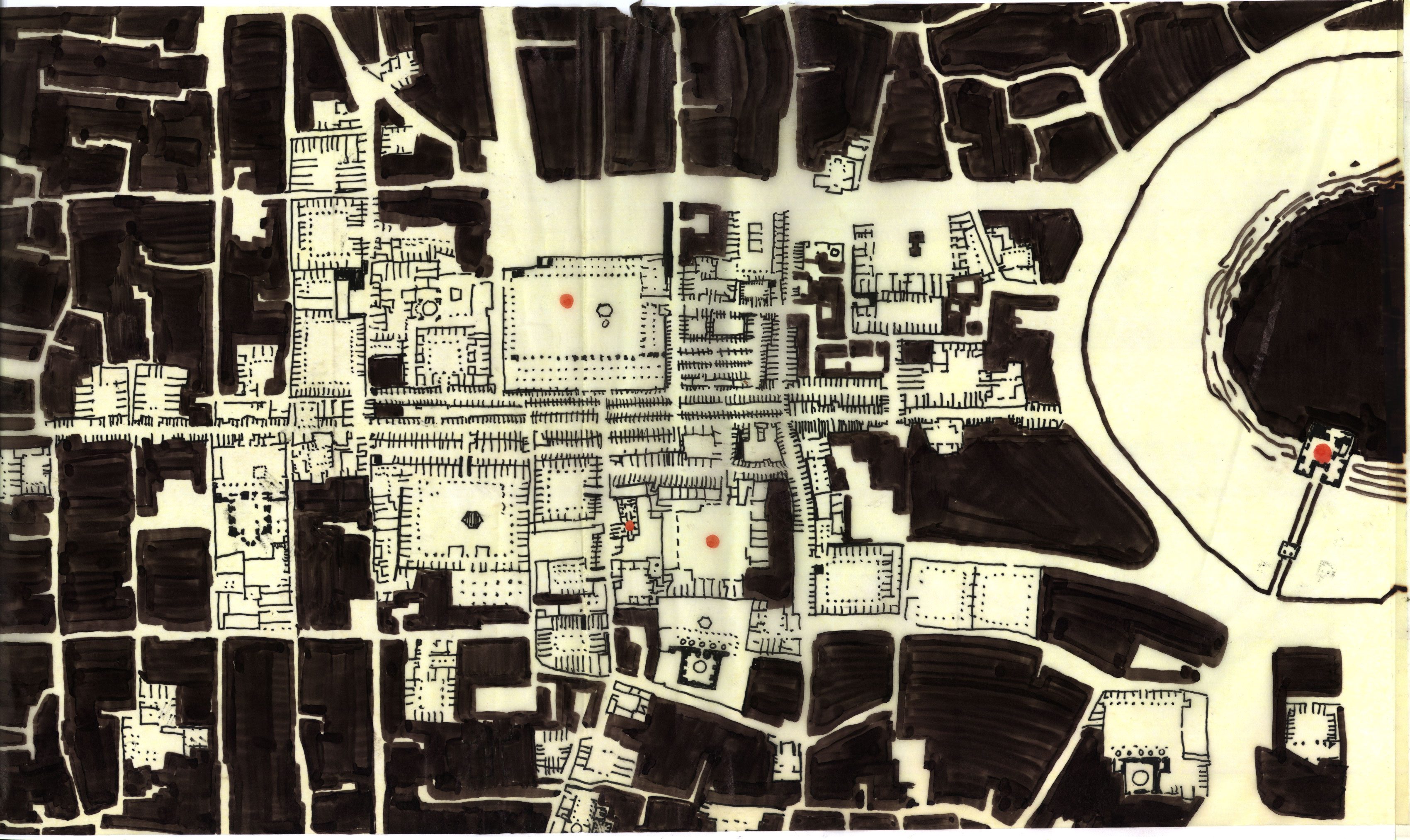
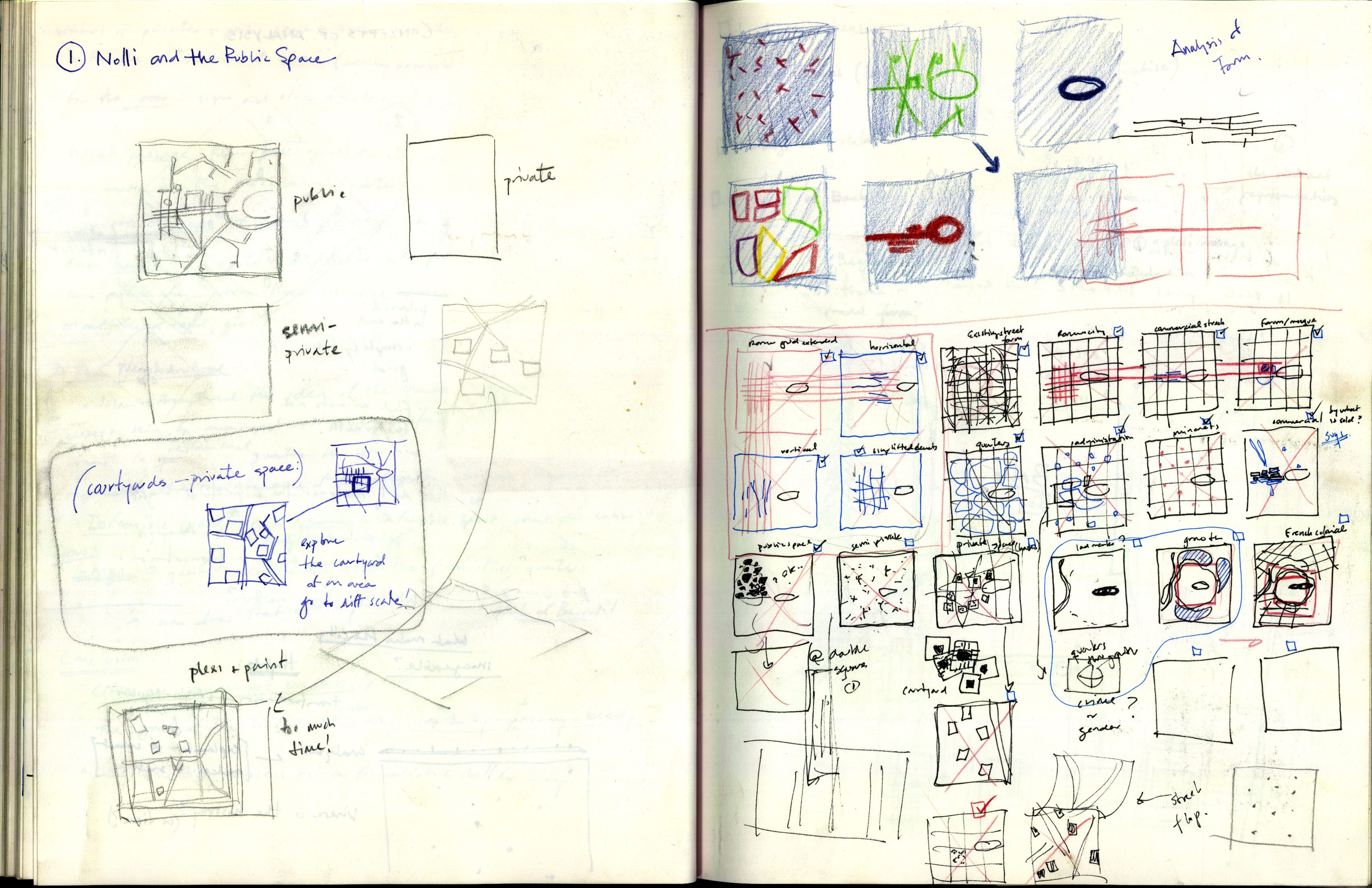
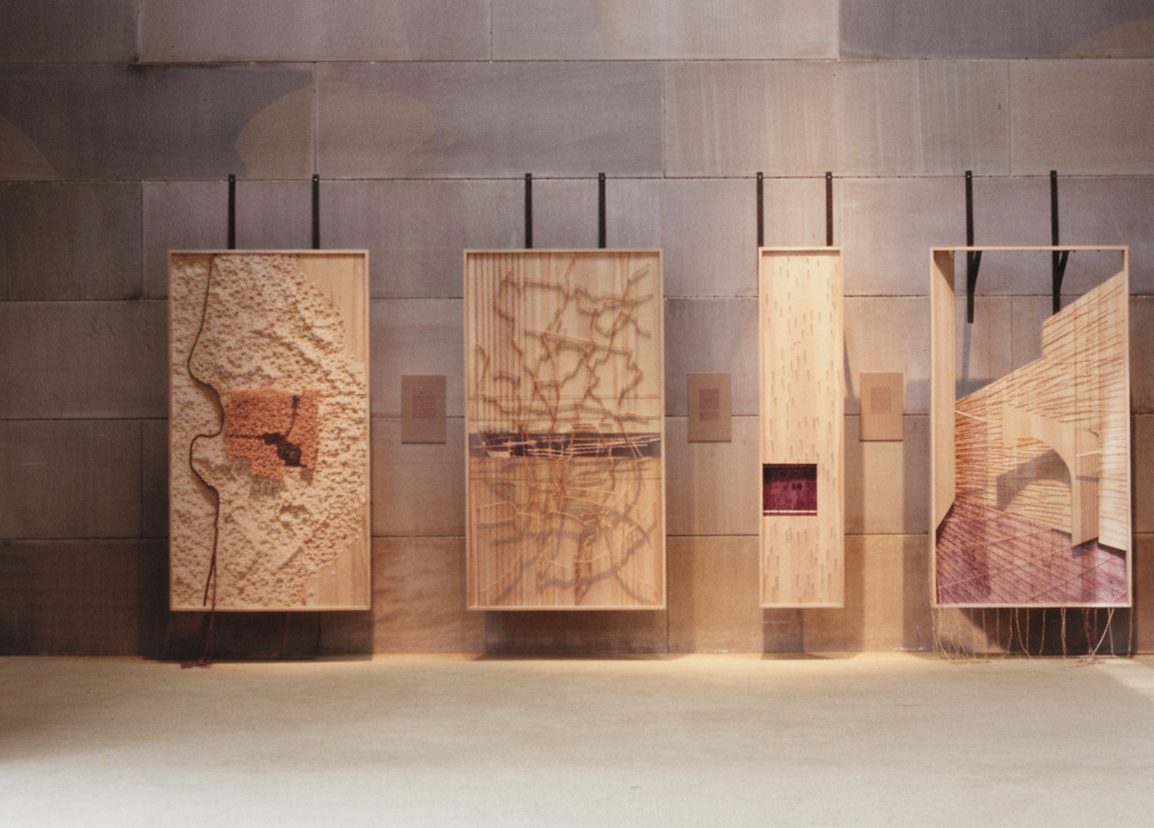
Aleppo 1999(downloads file) was an installation at Wesleyan University’s Zilkha Gallery completed during my last year of undergraduate studies (September 1999 - May 2000). Four panels composed of solid oak, etched plywood, hand-dyed ropes, and stained basswood tiles present alternative ways of viewing the northern Syrian city of Aleppo, each playing with notions of scale and figure, history and memory. The panels are somewhere poised between the didactic utility of architectural models with their concrete representation of material reality, and more ephemeral sculptural compositions that employ collage and high relief to bring the dynamics of light and shadow into play.
The date on the title refers to my time in Syria and Turkey during the first half of 1999. In retrospect, the date, at the turn of the millennium, also encapsulates a particular moment in time both in the United States and in the Near East. The promises of a globalized world with the perception of shared democratic and economic values and a novel world wide web of new digital freedoms were very much the currency of the day. As young American students, we were presented an aspirational vision of Syria at the brink of transformation and aperture on the world stage. This vision was echoed by government dignitaries, business leaders, scholars, market vendors, hotel receptionists, bus drivers, and our academic counterparts at local universities. President Hafez al-Assad’s thirty year hold on power was coming to a close as the nation anticipated his second son’s succession, the seemingly western-leaning and ecumenical Bashar al-Assad.
Soon enough planes would be crashing into New York City skyscrapers leading to destabilizing and illegitimate forever wars in Iraq and Afghanistan, and a decade later Syria would be mired in a civil war spanning thirteen horrific years leaving Aleppo decimated.
The panels were partially inspired by Italo Calvino’s poetic ode to Venice in his famous novel Invisible Cities. Like Calvino, they present a fragmentary travel log, one that I interpreted as a rejection of any pursuit of completeness. Translation in any form, whether through text, image, or object is immediately stumped when faced with how futile it is to comprehensibly represent a complex place from a single, static point of view. And Aleppo, perhaps the city with the longest record of continuous habitation, in no way offers itself to terse simplifications. So, in a similarly aphoristic and incomplete way, the panels represent the city as framed episodes, much like snap shots, singular compositions, but in no way pretending to be total or synthetic. This plays into the mosaic view of spatial experience wherein it is only through the assembly of parts that a whole can be approximated, if at all.
More importantly, Calvino’s novel hinted at a way to express the initial motivation for the work: a love of place. The weeks I spent in Aleppo marked the high point of a transformative moment in my life. Without any legitimate claim to the city or to its culture, I nevertheless felt deeply at home.