[A]FA Damascus Dialogues
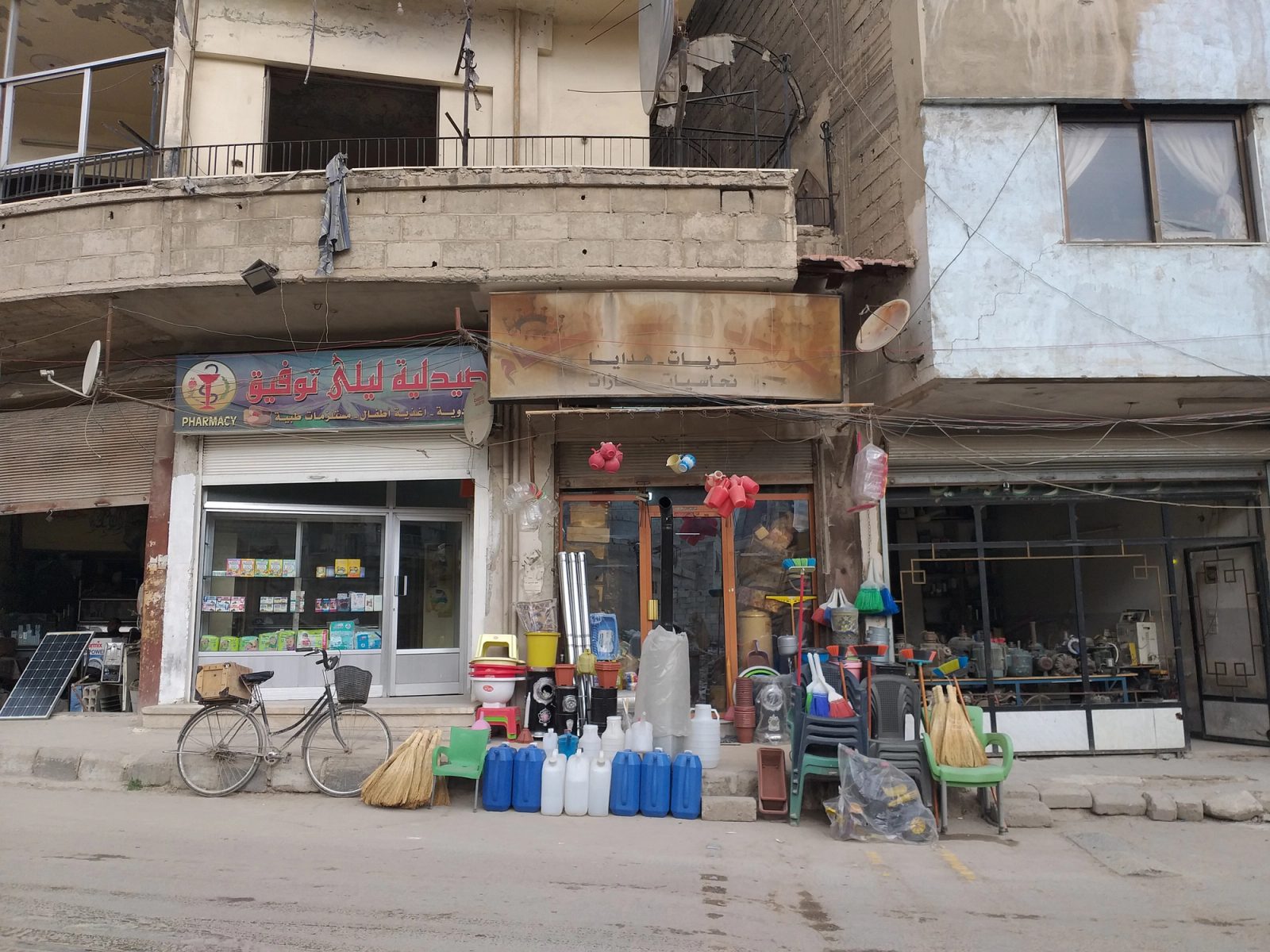
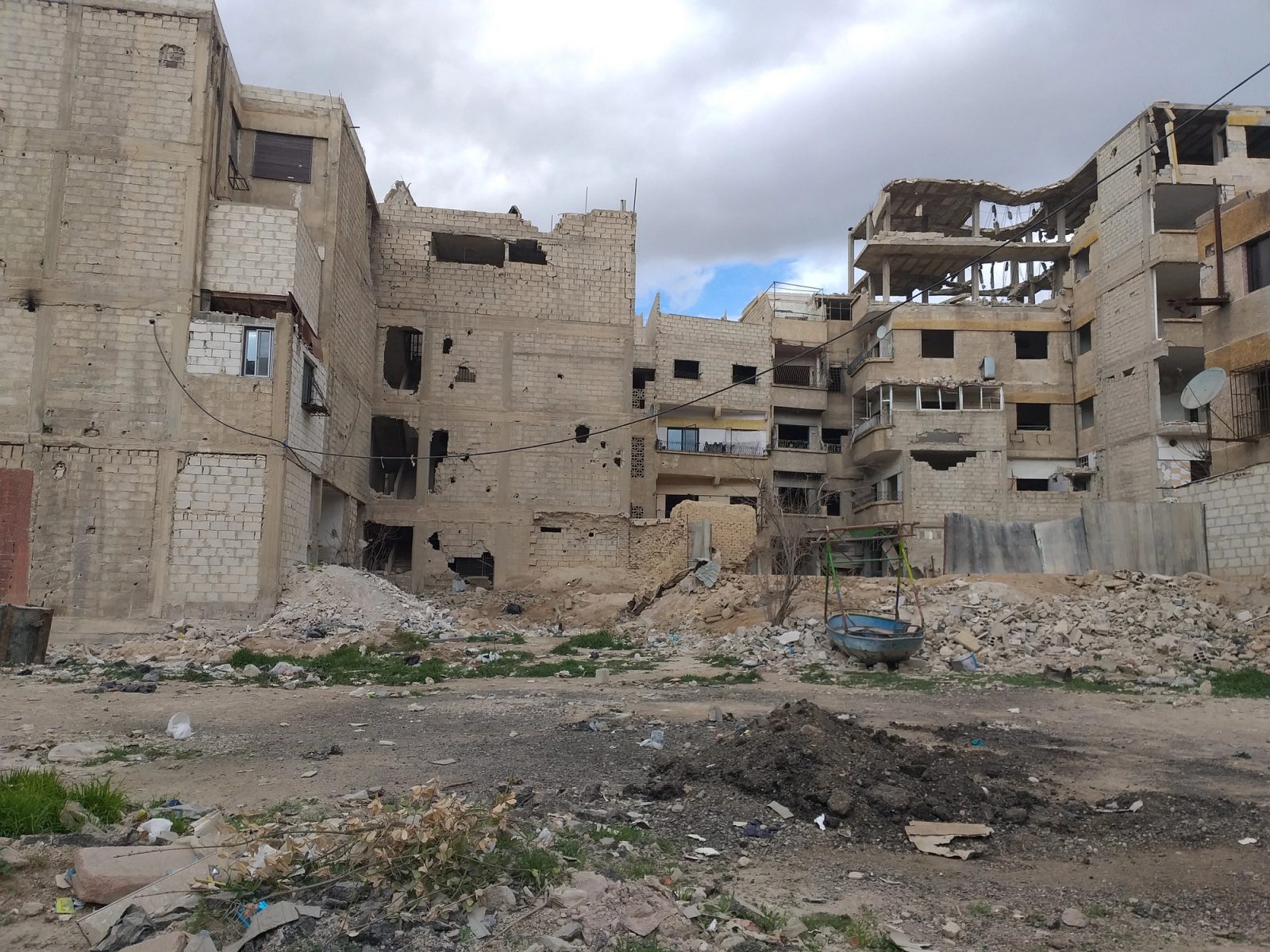
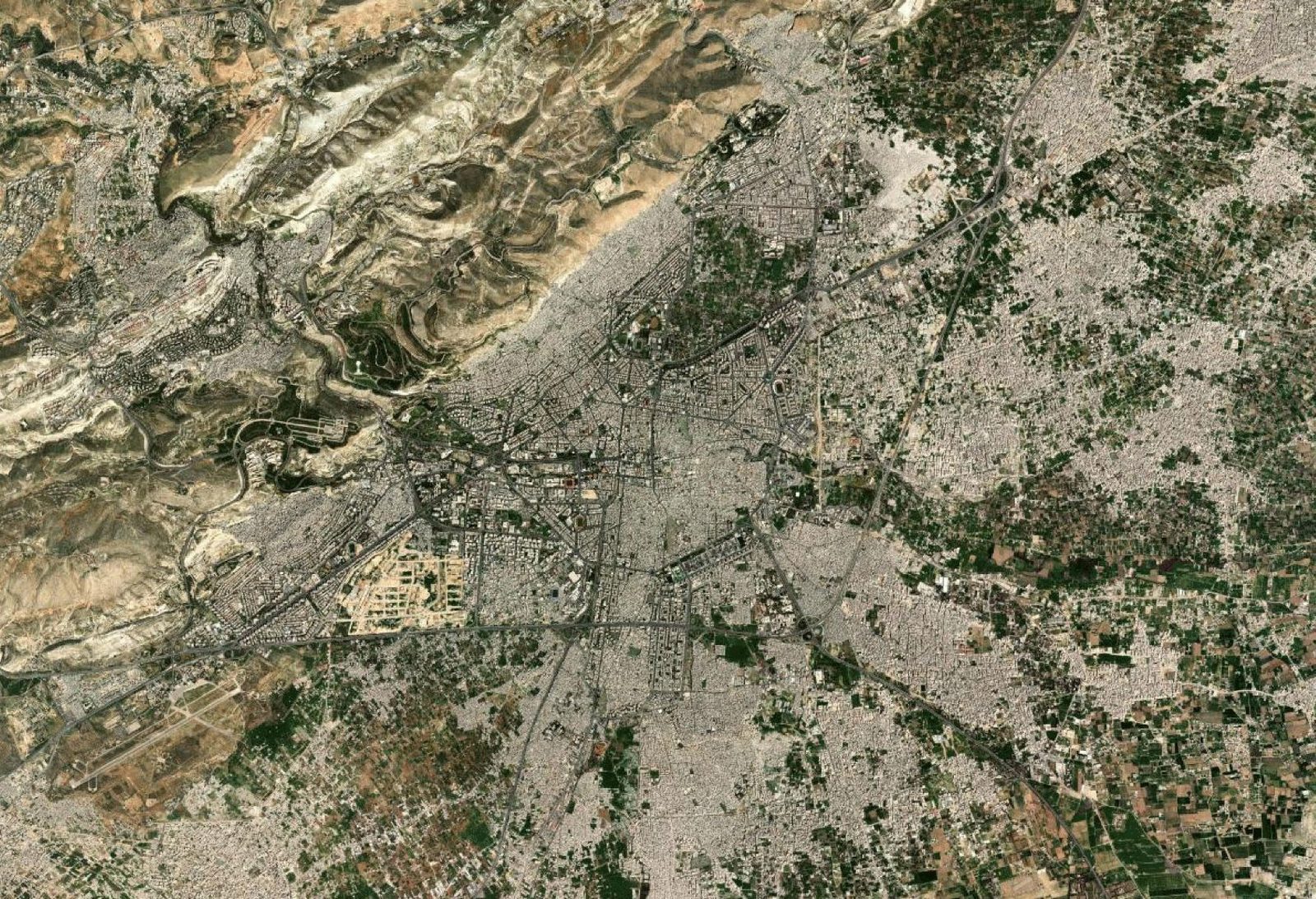
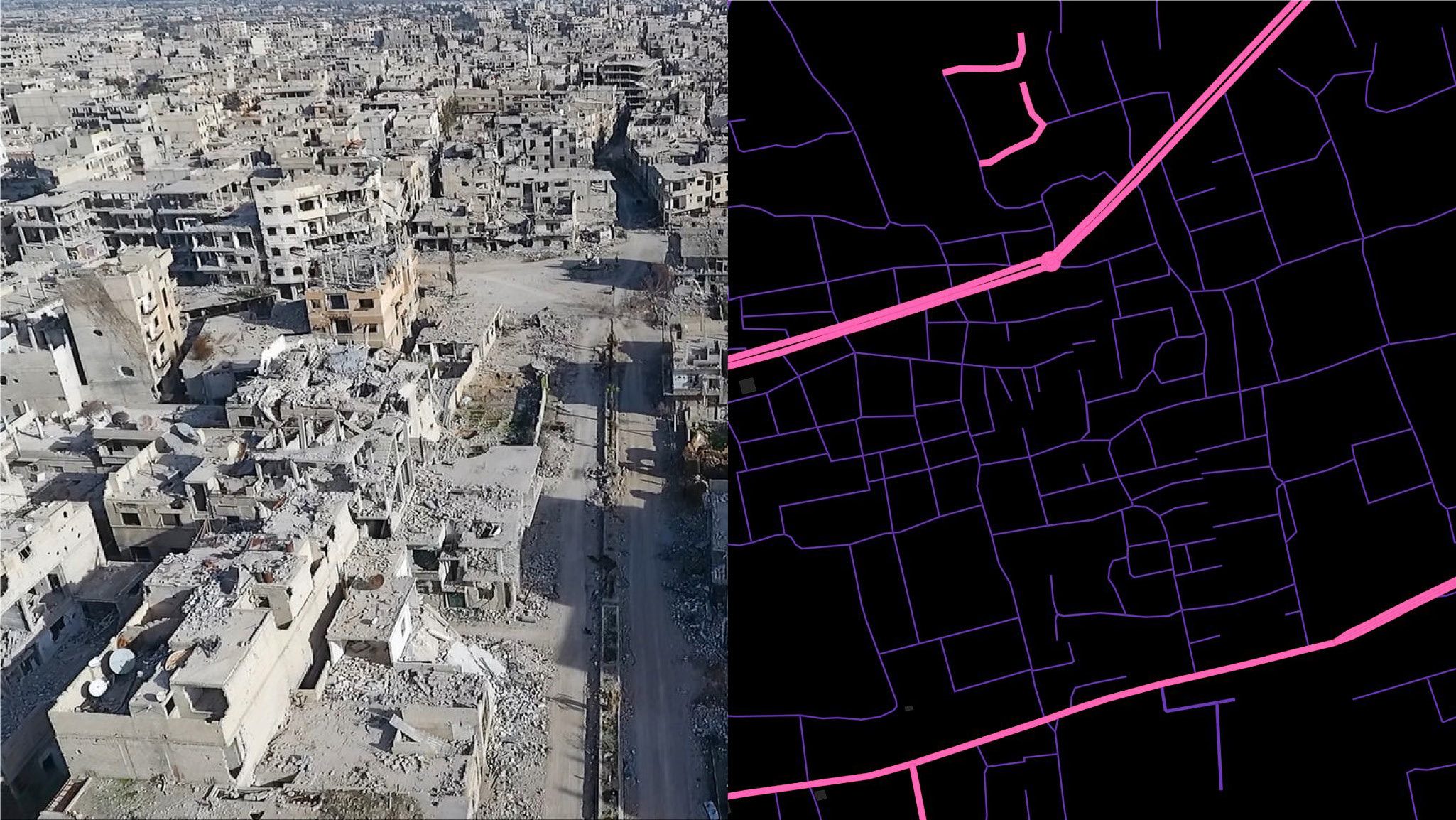
The lab is focused on the eastern suburbs of Damascus, a part of the city that was particularly damaged during the Syrian conflict. The neighborhood of Zamalka serves as a prototypical site for our investigations and, potentially, for an extended study over the coming years. The lab asks if spatial interventions at a small scale, strategically dispersed, can instigate community building.
[A]FA Damascus Dialogues (2019-2021)
IoA, University of Applied Arts Vienna
[applied ]foreign affairs(opens in a new window)
Teaching Team:
Baerbel Mueller
Gregorio S. Lubroth
Ziwar al Nouri
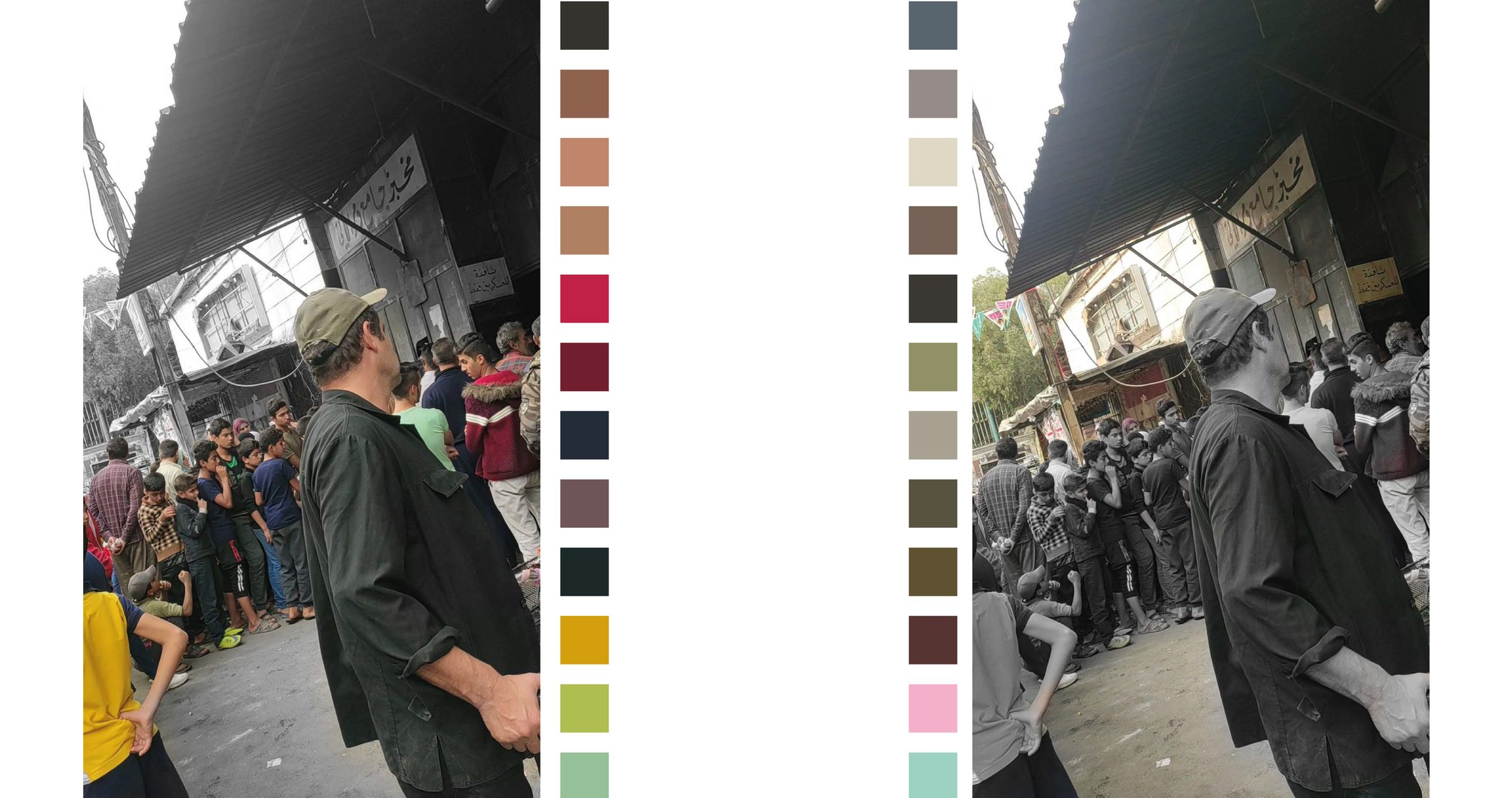
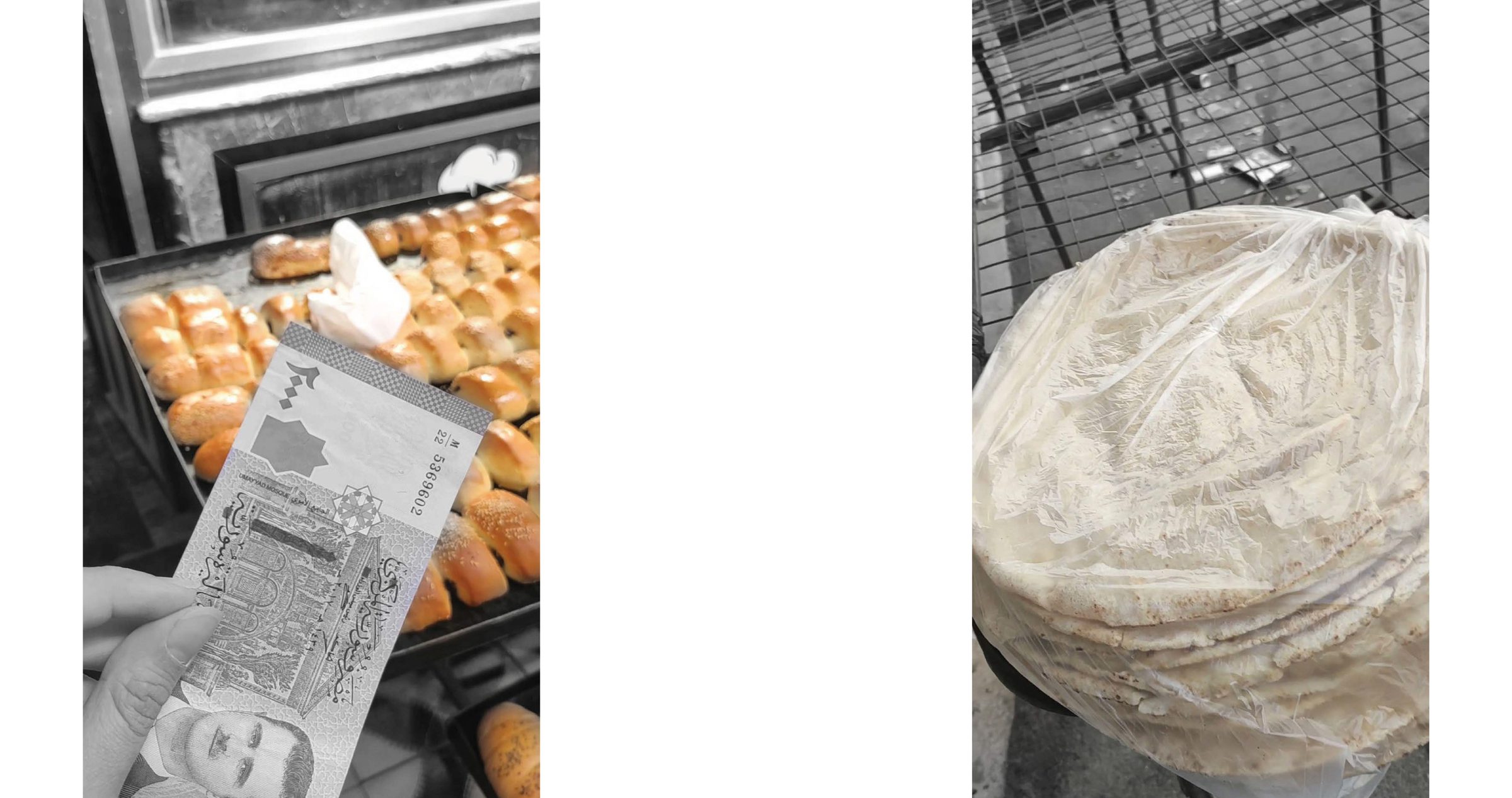
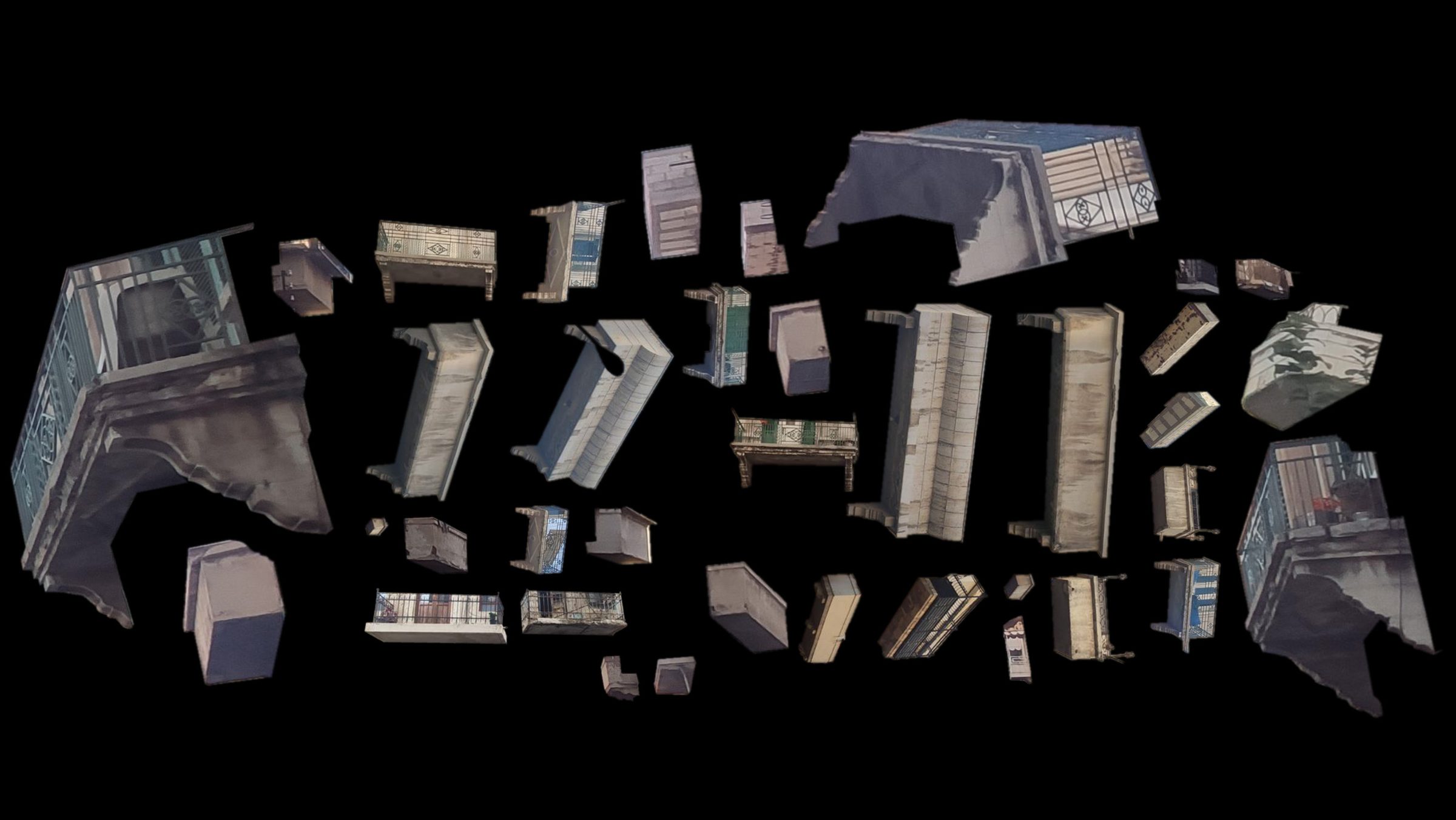
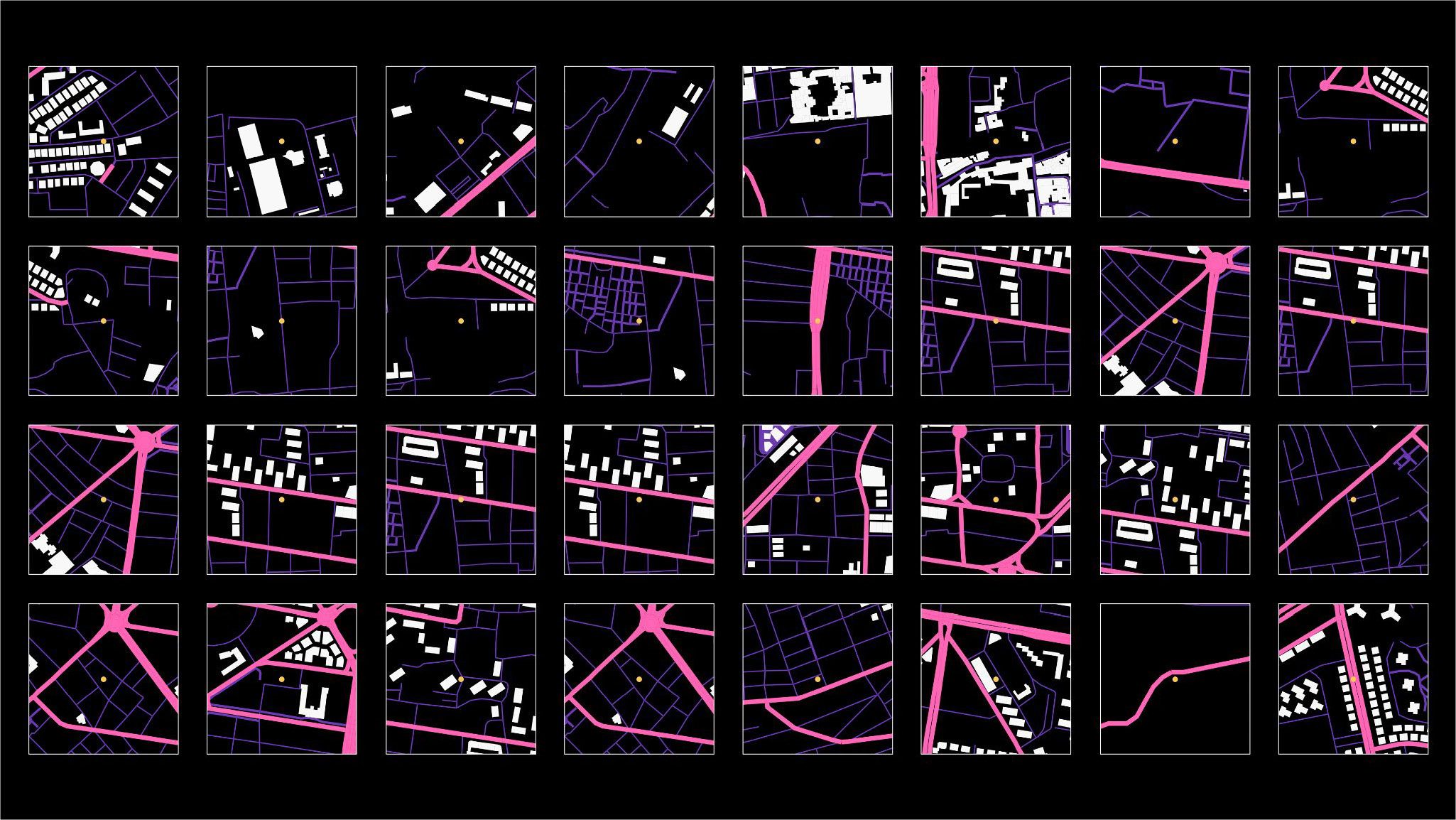
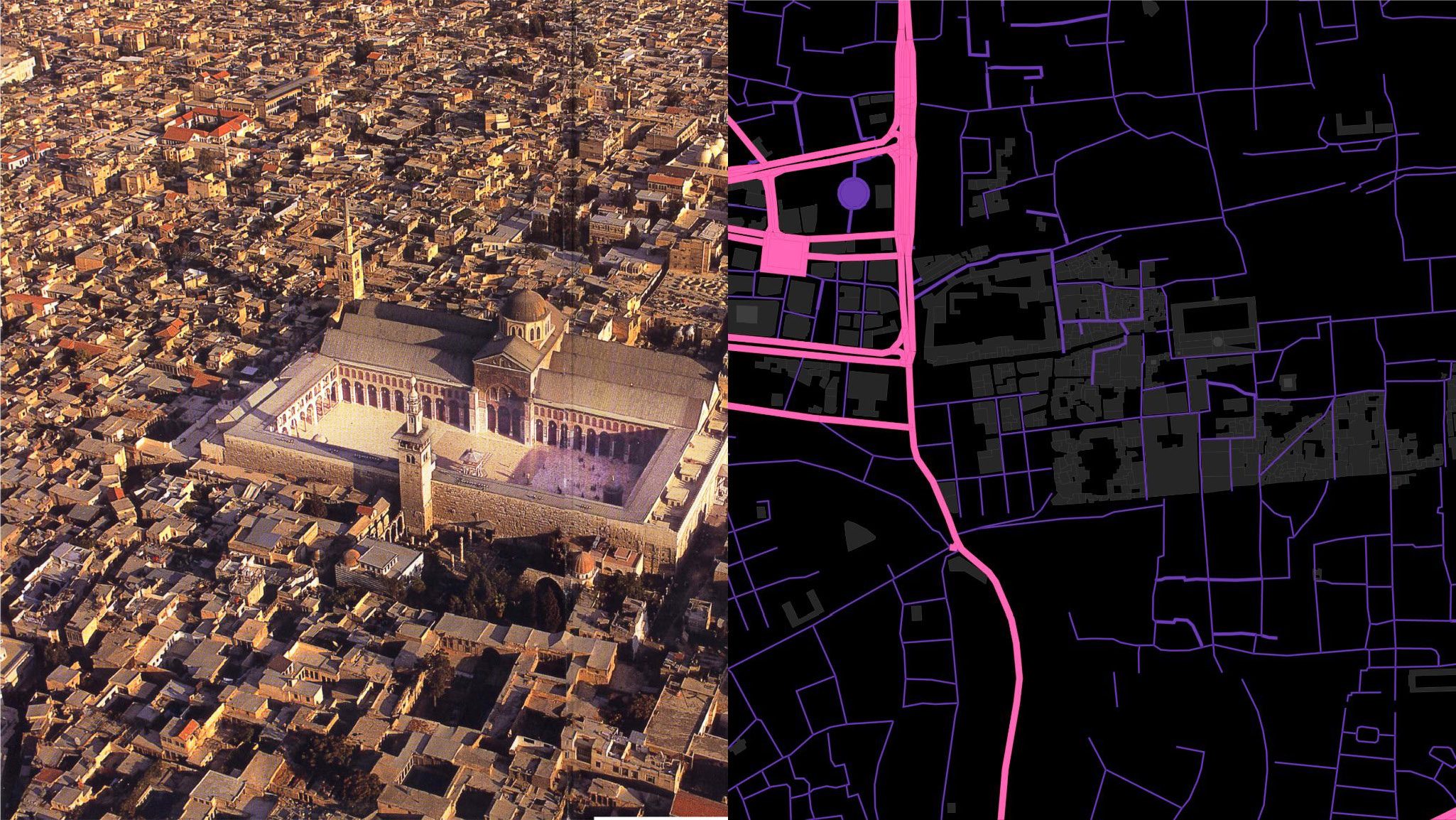
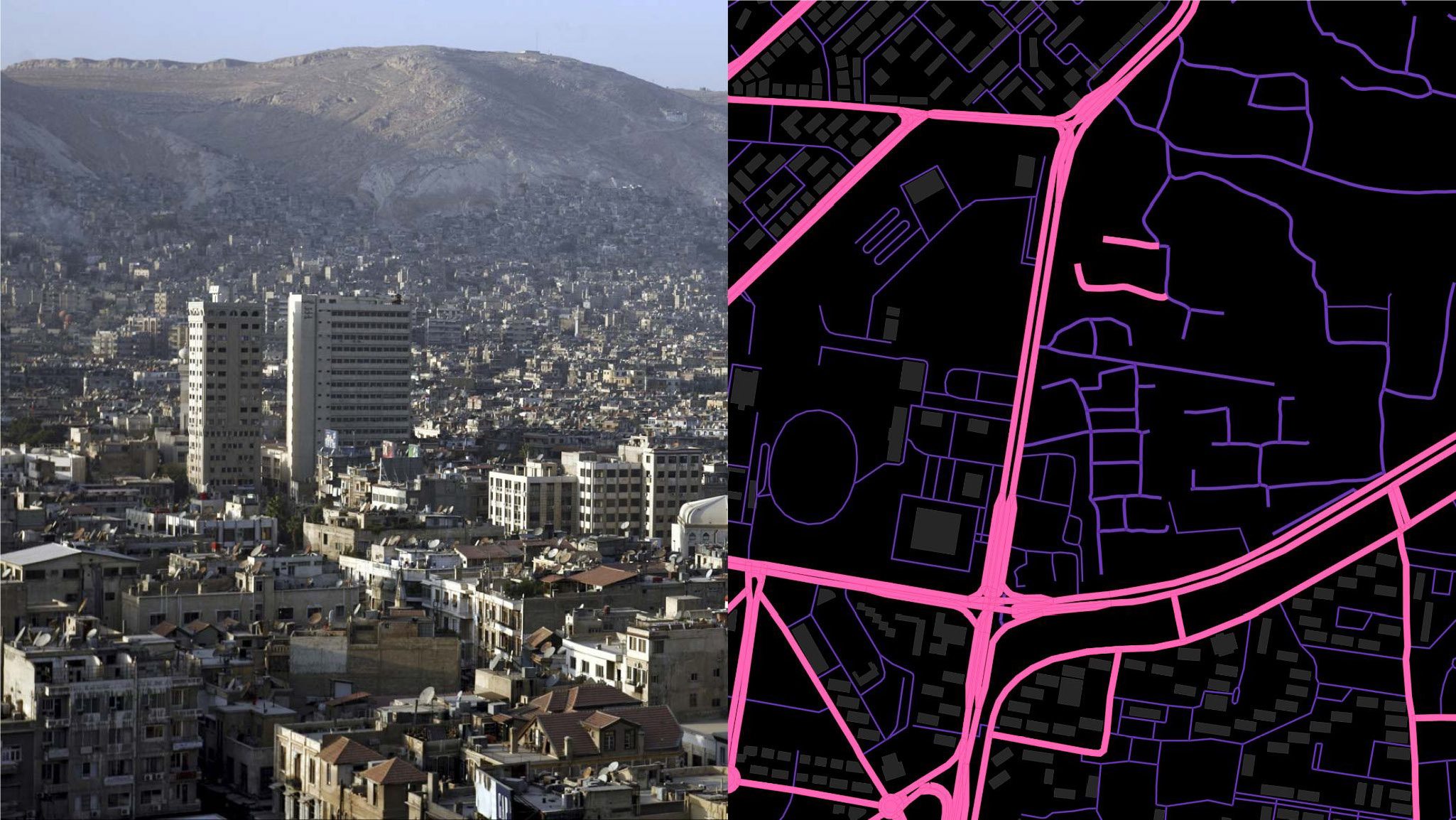
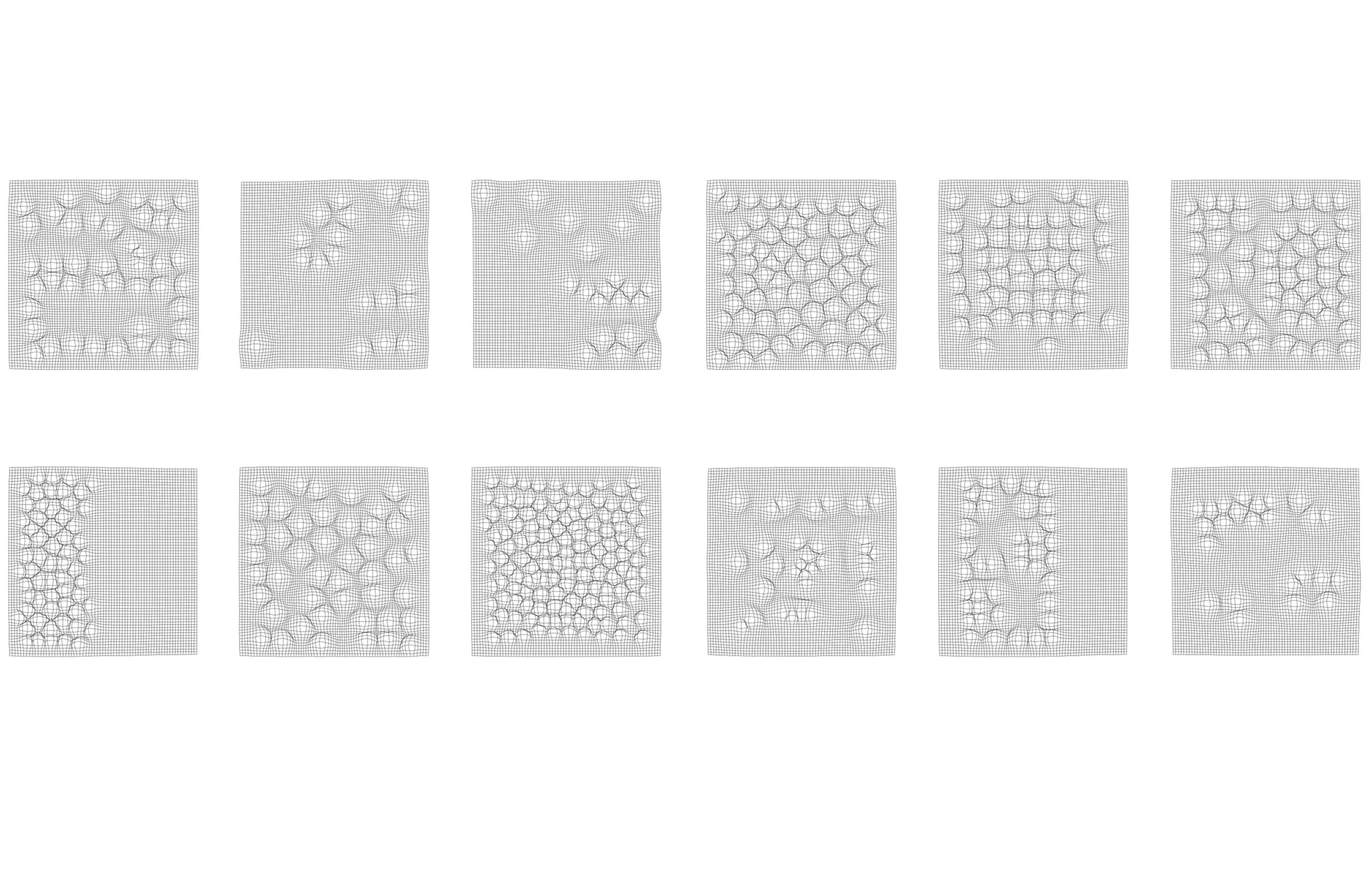
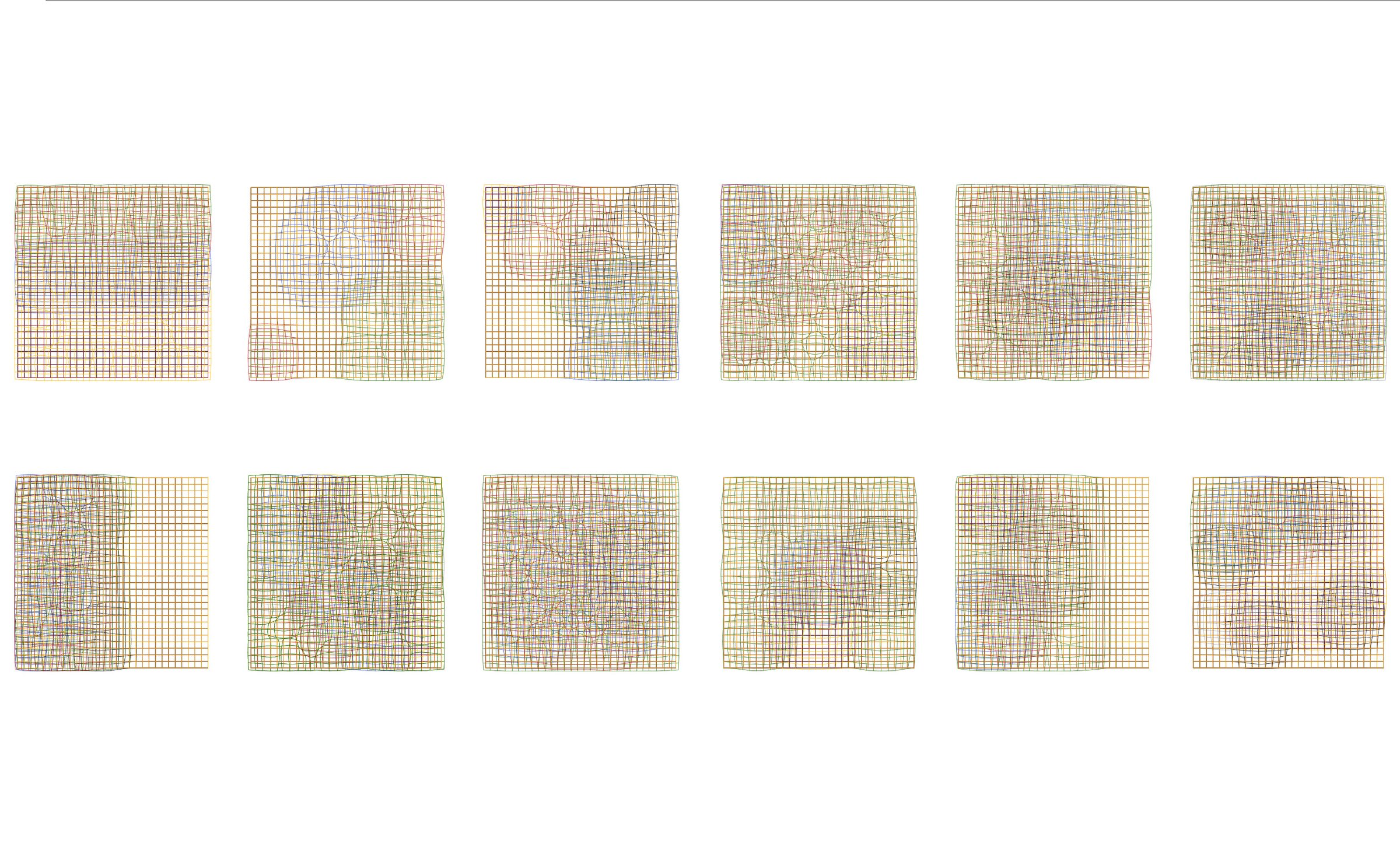
Damascus Dialogues is conceived as a collaborative work between the [applied] Foreign Affairs Lab within the Institute of Architecture at the University of Applied Arts Vienna, the Faculty of Architecture at the University of Damascus, and the Damascus based Studio Reparametrize. Students have been selected from each institution to participate in the lab.
The lab is focused on the eastern suburbs of Damascus, a part of the city that was particularly damaged during the Syrian conflict. The neighborhood of Zamalka serves as a prototypical site for our investigations and, potentially, for an extended study over the coming years. The lab asks if spatial interventions at a small scale, strategically dispersed, can instigate community building. In other words, can an acupunctural urban strategy be proposed rather than a top down, developer-driven model?
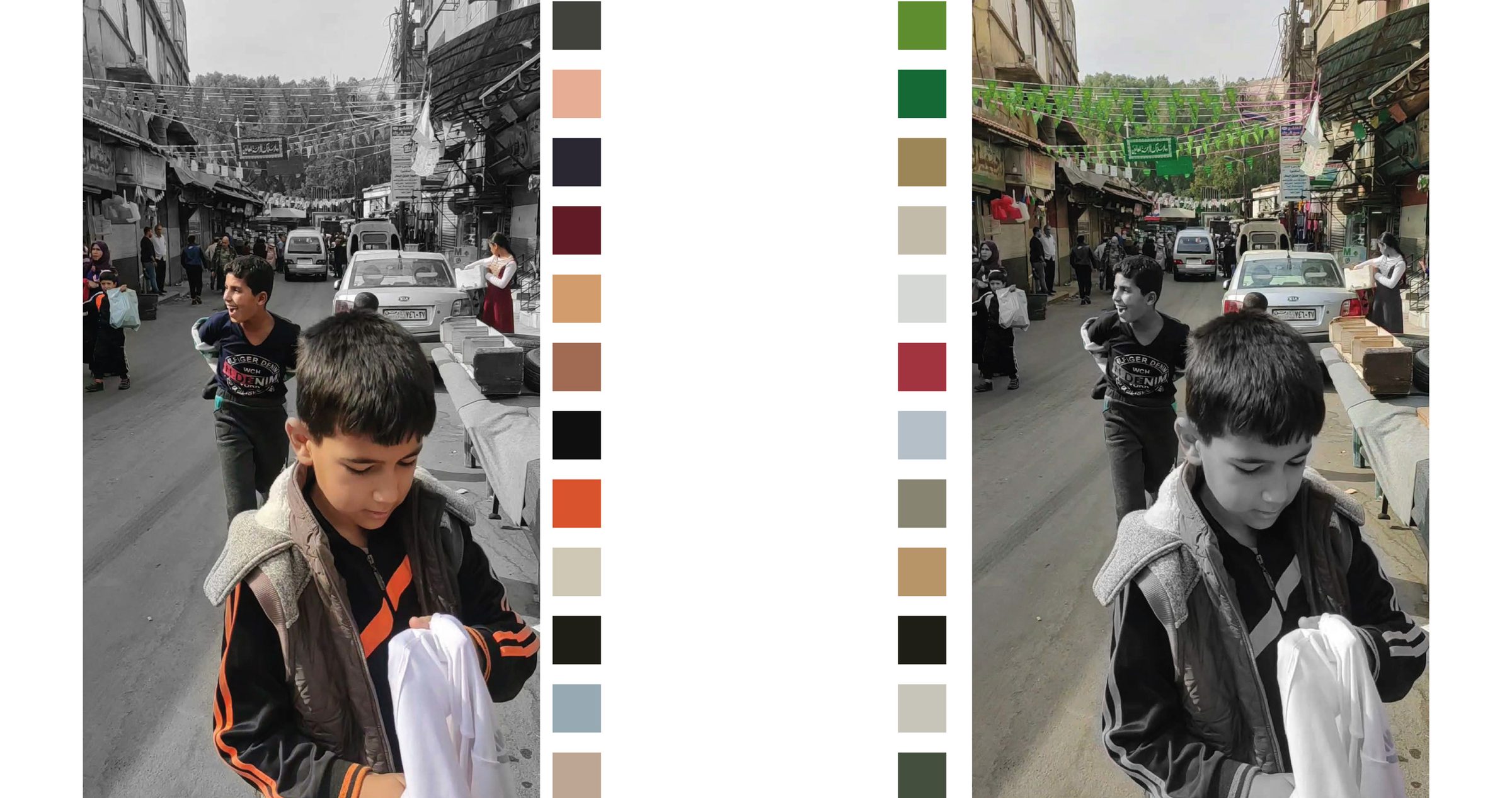
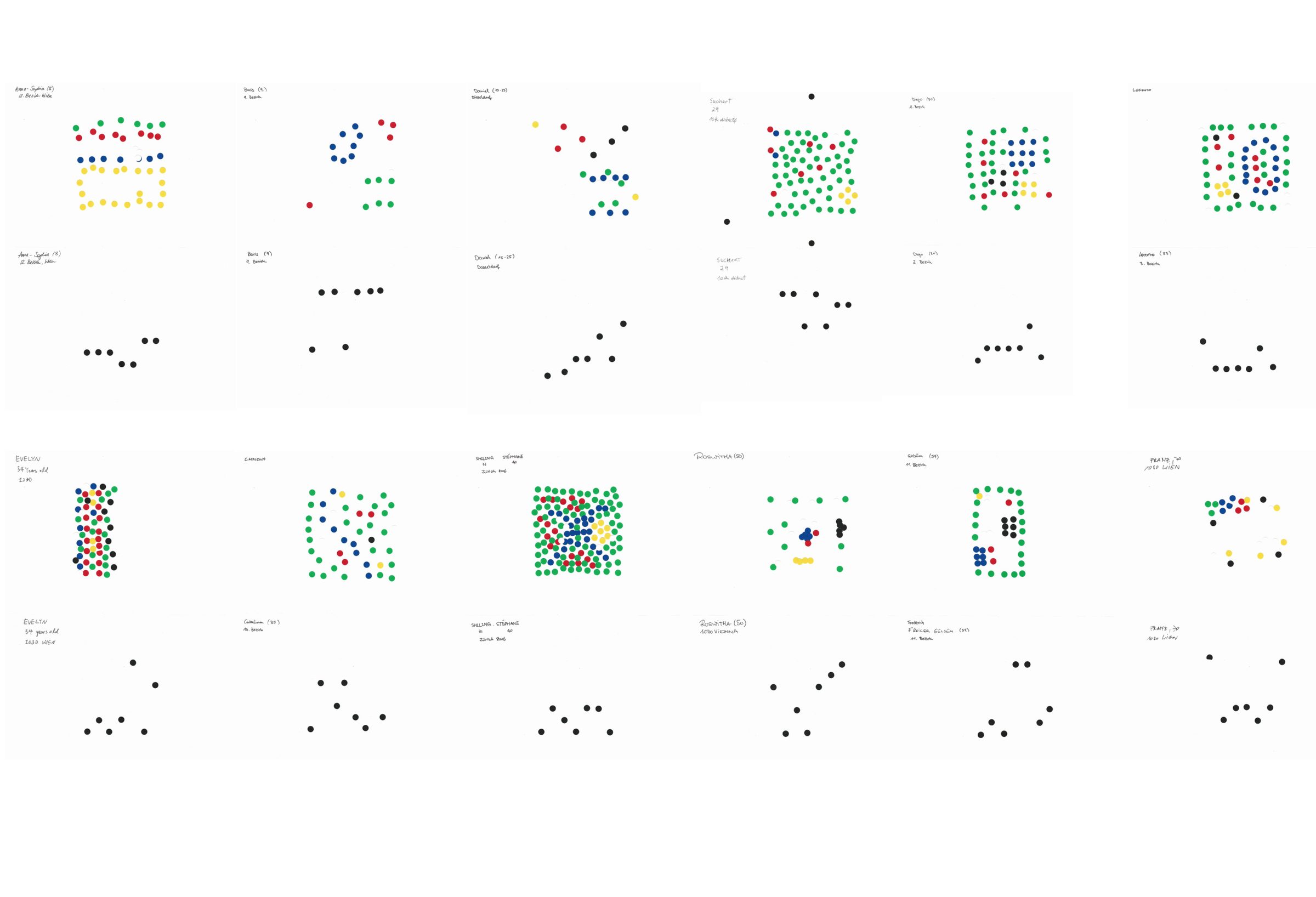
Before engaging with the community in Zamalka, the lab focused on thematic investigations – first in Vienna, then in Damascus – which provided the team insight though analytical tools and methods of their own design. These methodologies were developed in pairs, forming the core of our cross-institutional collaboration – a dialogue bridging together different experiences to understand complex spatial and social issues. The constraints of remote exchange created a dynamic process of shifting student constellations. In the end, the groups created a body of research that was directly engaged with 1) urban morphology, understood more than register of history and planning, but rather as a lived reality that affects and in some cases directs individual experience 2) urban ecology in a war-afflicted context, where an agrarian past is negotiated with a present need for remediation and public space and 3) an analysis of a material culture through the lens of machine learning as a way to posit potential strategies for new construction.
Students:
Vienna Team: Adriana Böck, Carmen Egger, Chien‐Hua Huang, Tala Sawmeh, Zach Beale, Tijana Lazovic
Dmascus Team: Sedrah Khaled Alayoubi, Lojain Al Wadi, Walaa Al Khateeb, Muaz Shbat, Hazem Kurdali, Sara Faraon