Studio Sejima III
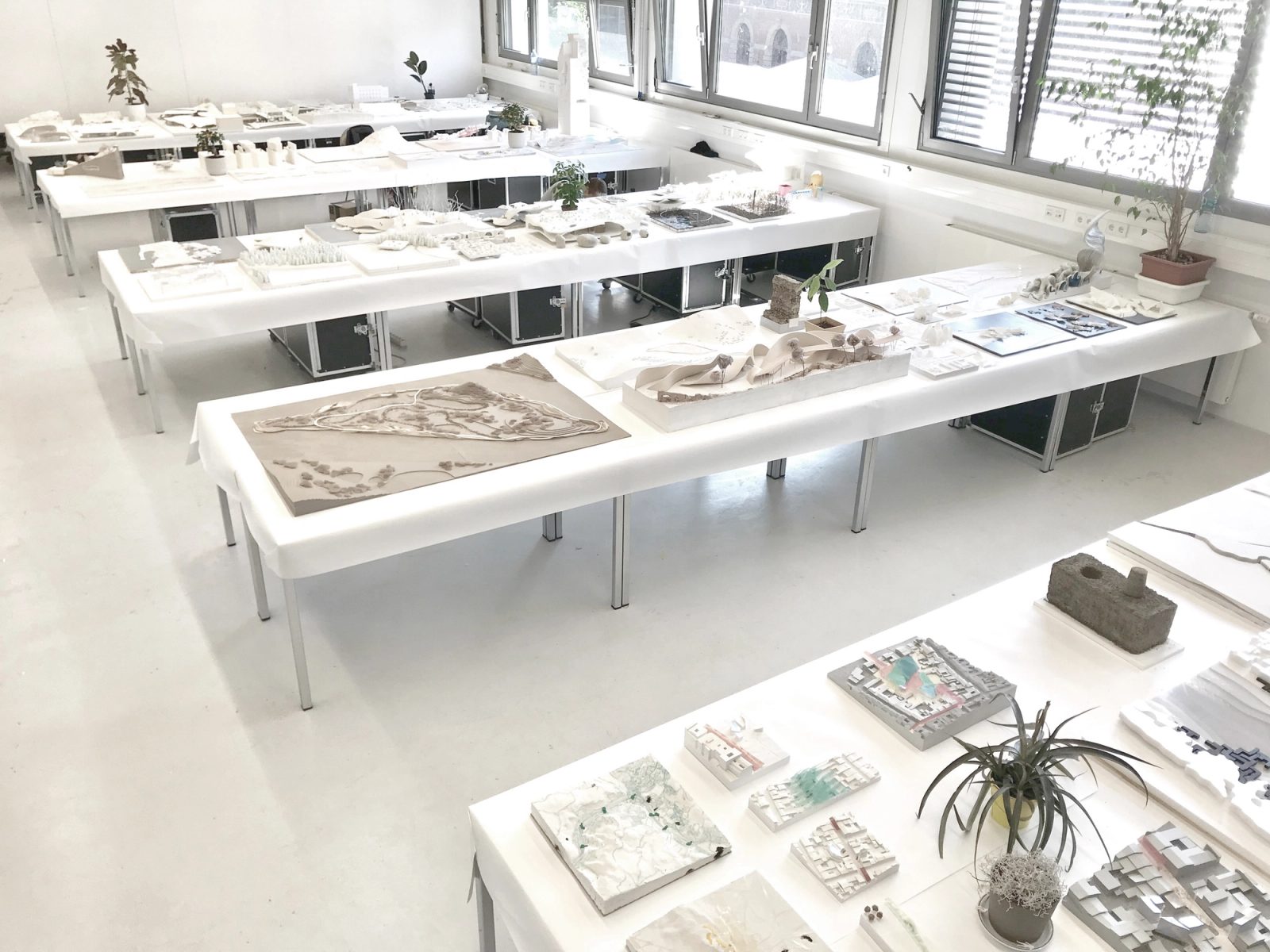

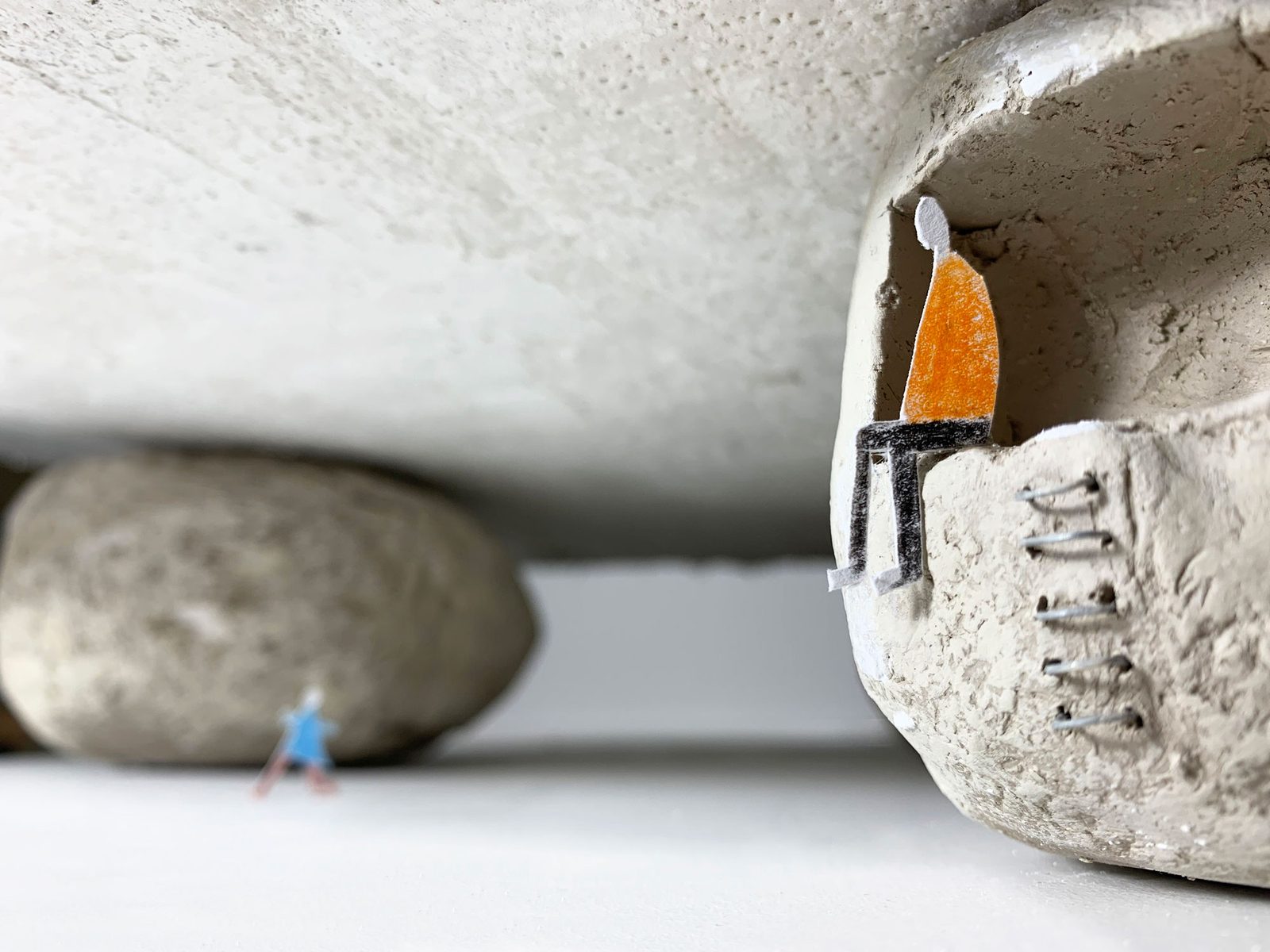
River (2019-2020): As the river in its very nature flows in one direction, our projects integrate a narrative and sequential structure. The aim of this one-year process is to envision a highly developed architectural design challenging the idea of space for education.
Kazuyo Sejima, co-founder of SANAA, the Tokyo-based Pritzker Prize winning practice, was head of Institute of Architecture’s Studio-1 at the University of Applied Arts Vienna between the years 2015 and 2019. In keeping with her conception of architecture, the studio researched the complex relationships between architecture and its context as well as the intricate relationships between body and space. The studio set out to understand the meaning of sustainability, both in culture and society, through all these facets. During these four intense experimental years, the Studio Sejima was an educational hub and stimulating environment for over ninety students, backed by an engaged academic team, inspiring local and international guests.
Assistant Profesorship 2017-2019
IoA, University of Applied Arts Vienna
Teaching Team:
Kazuyo Sejima
Anna Gulińska
Gregorio S. Lubroth
Lucy Styles
Hannes Traupmann
Indrė Umbrasaitė
STUDENT WORK
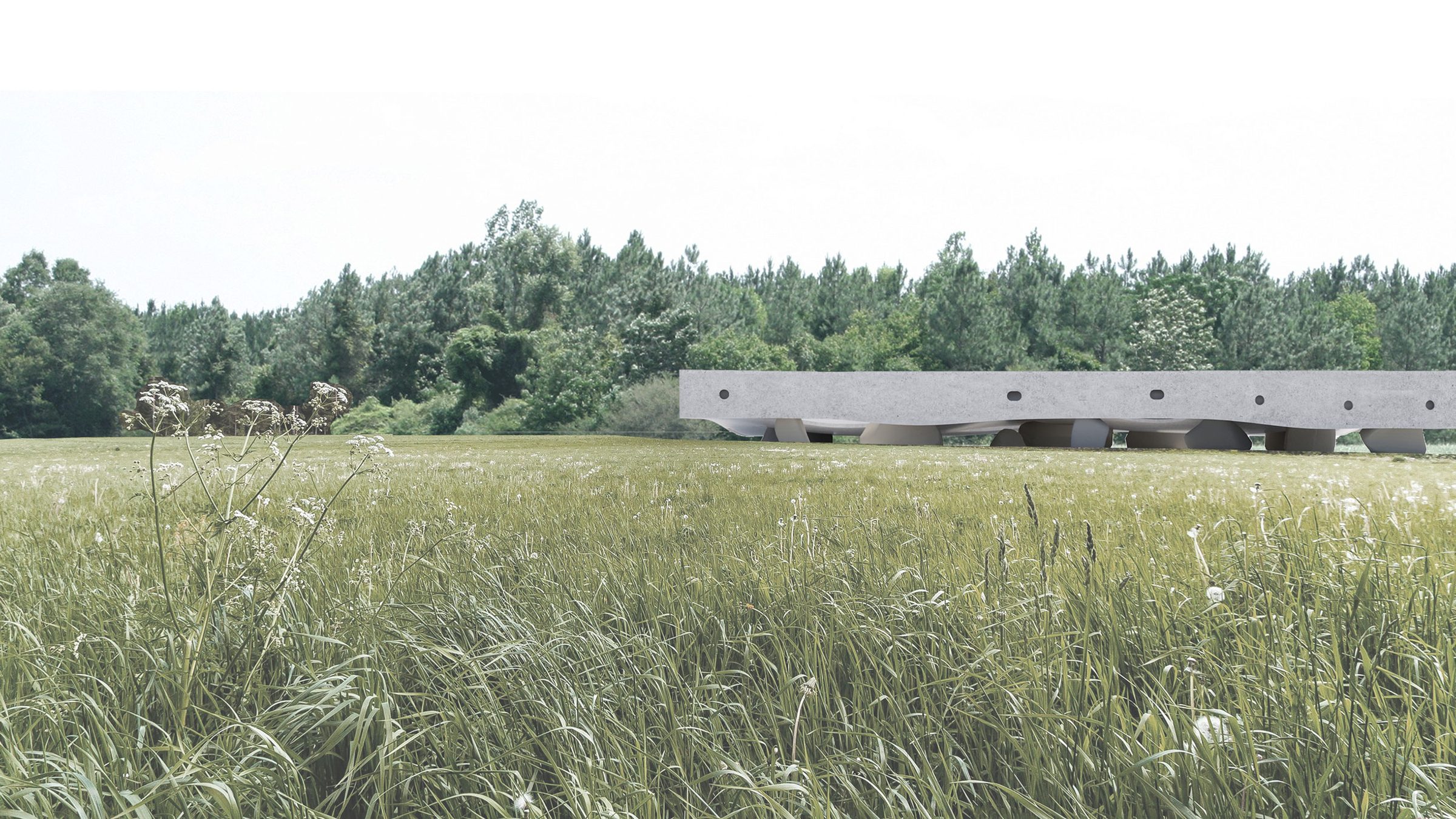
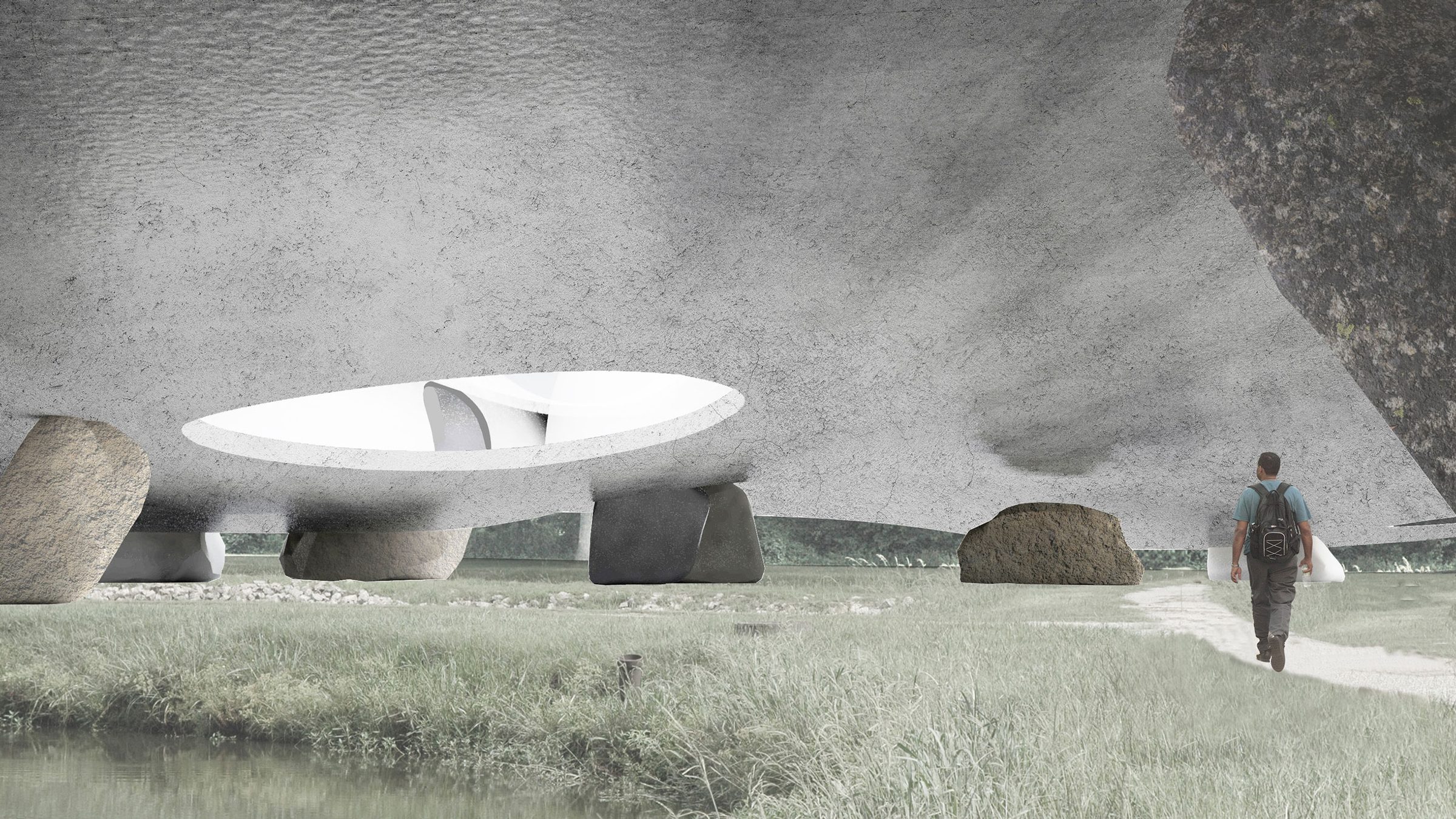
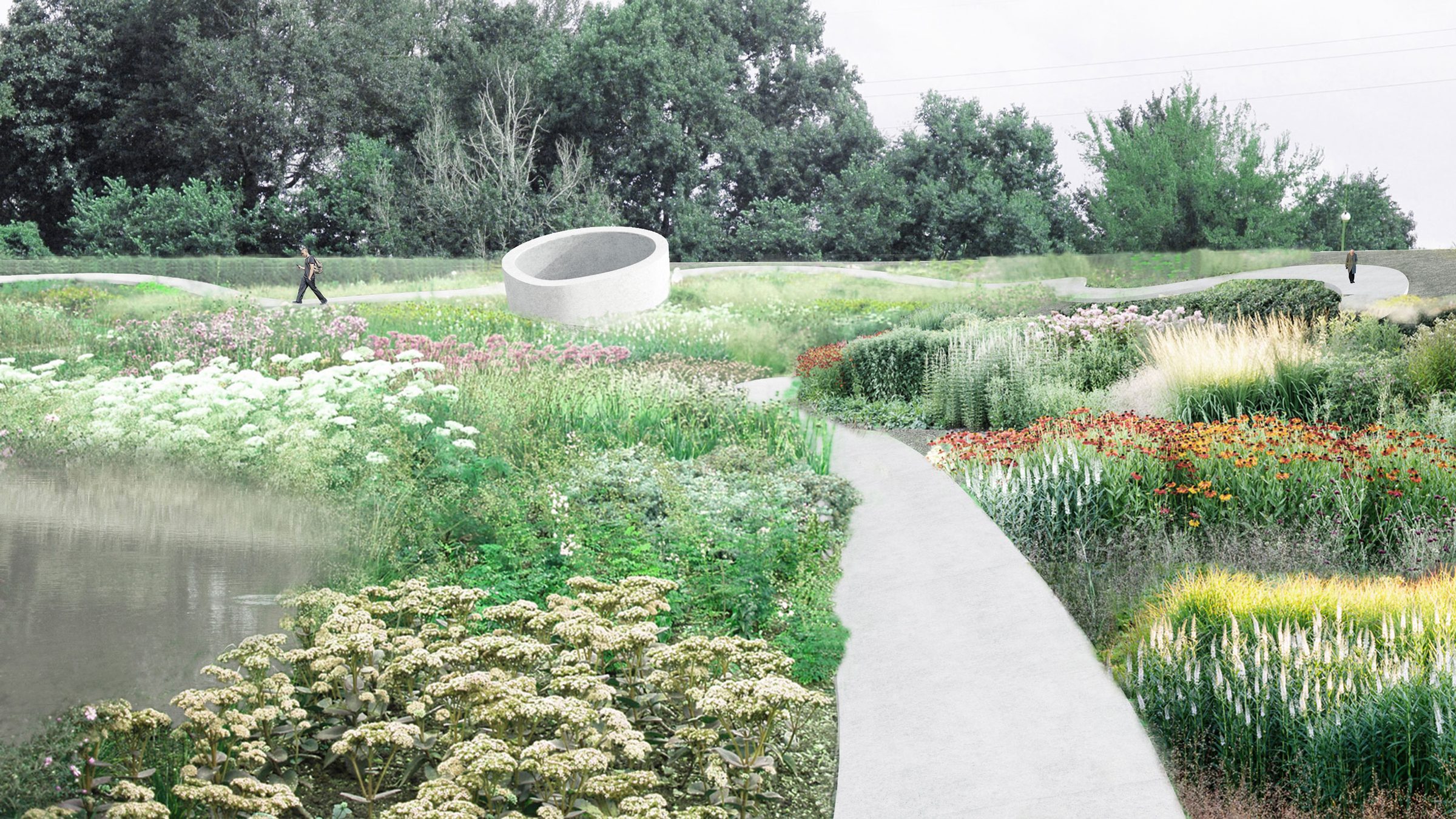
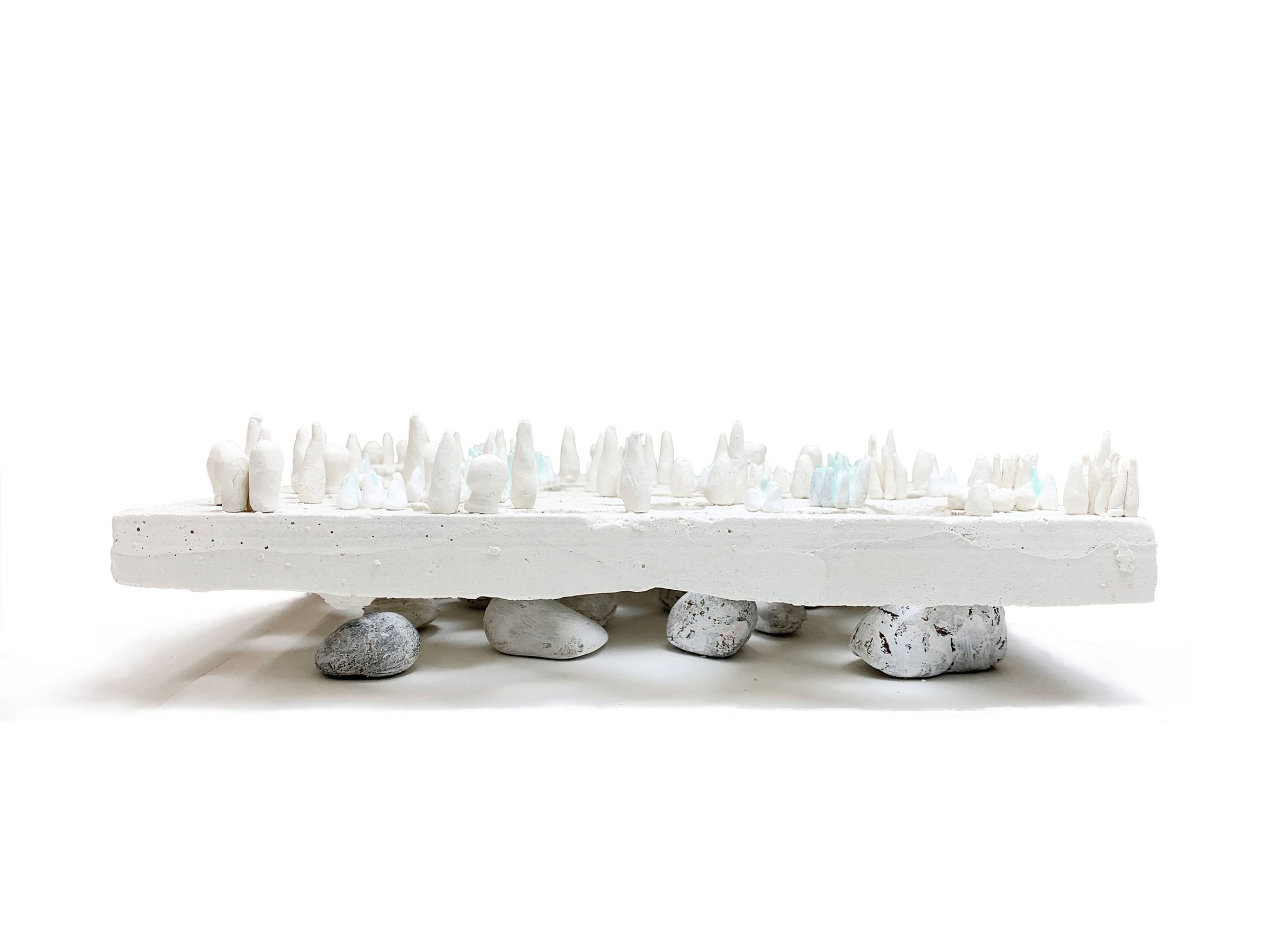

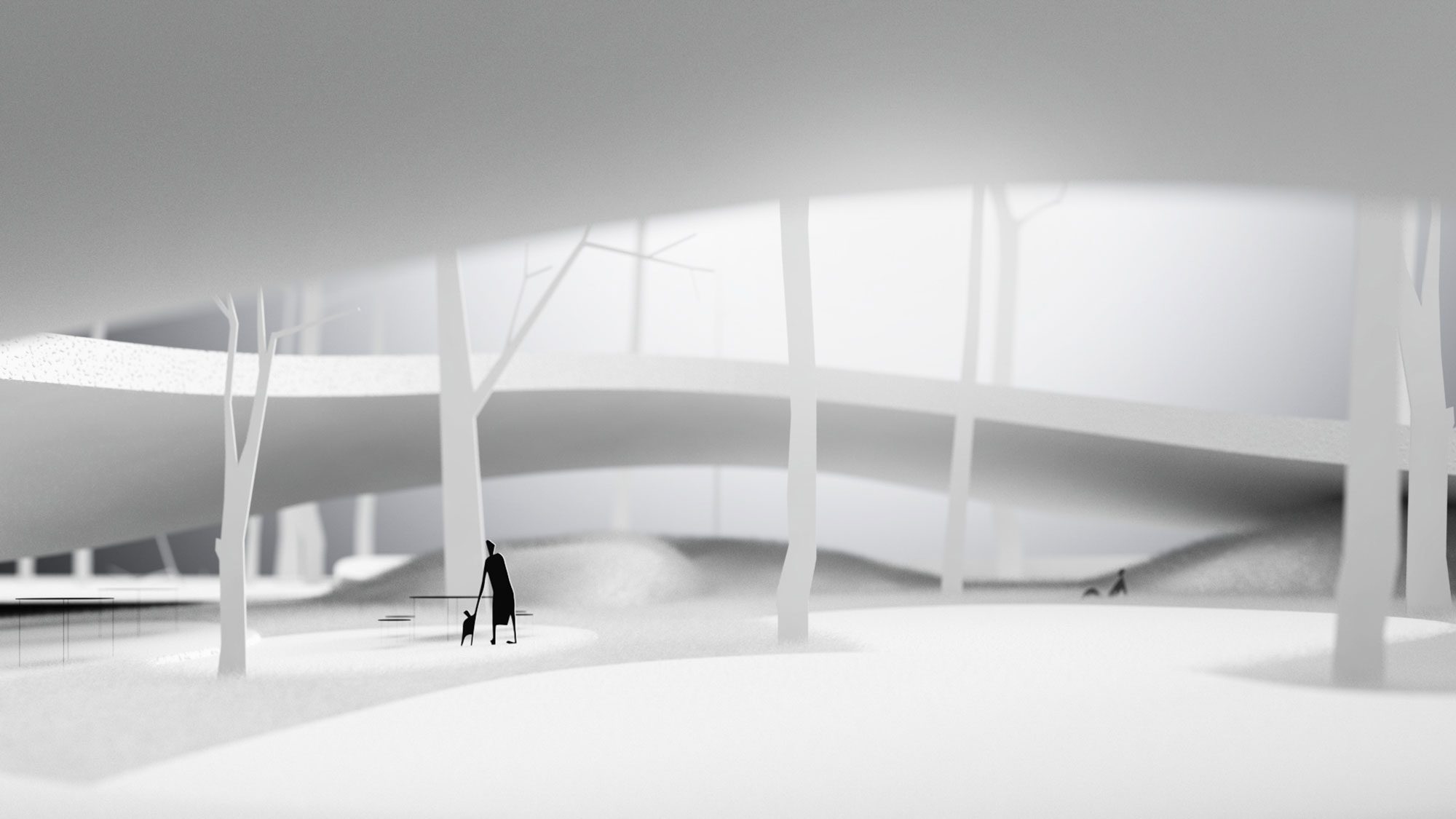
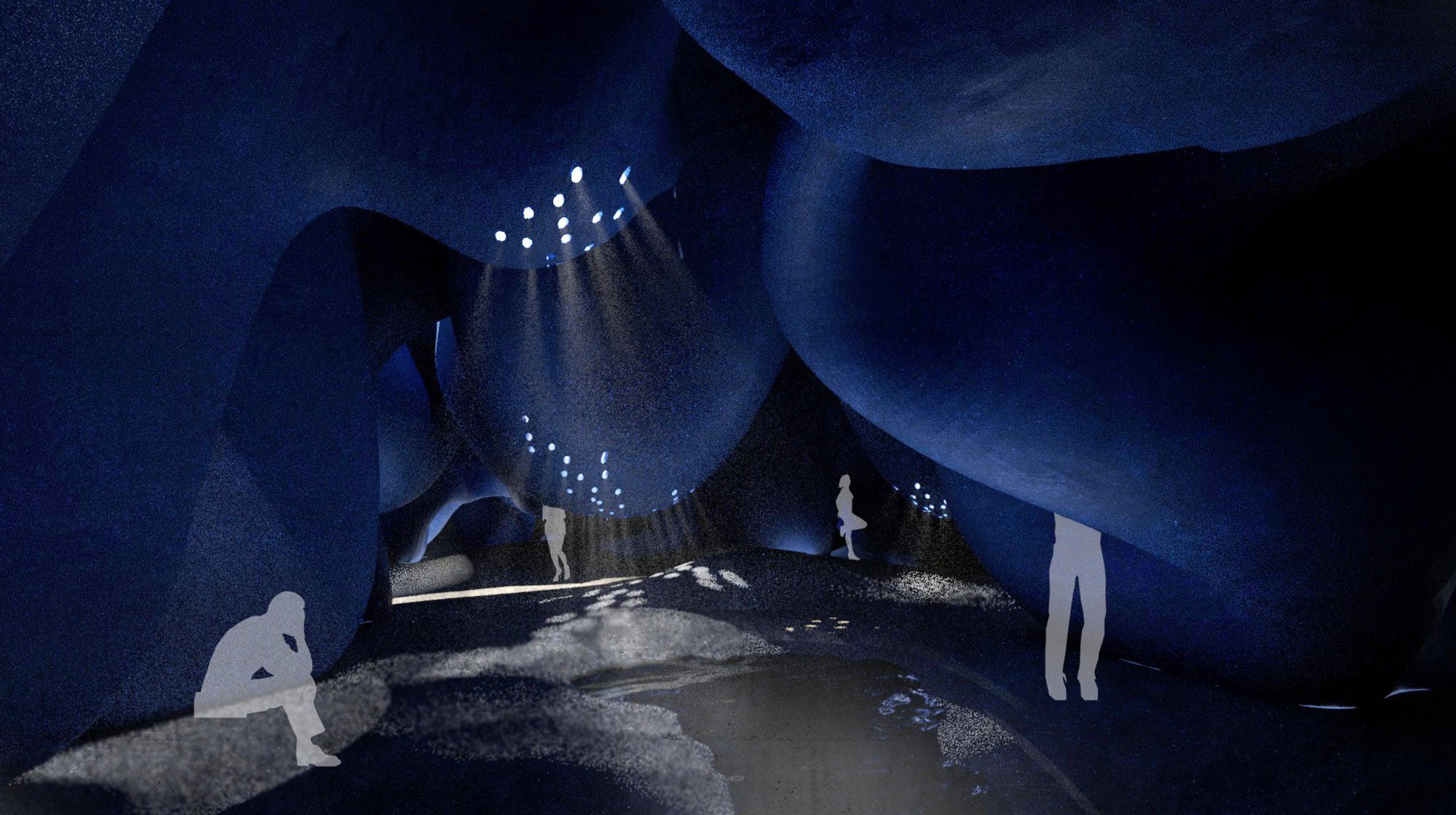
During the Enlightenment and liberal revolutions in Europe between the 17th and 20th centuries, the division between Church and State exacted a significant change in the way social values were established and communicated. As automation shifts the way we live, play and work, we are witnessing a similar revolution in education. As we experience dramatic transformations in demographics, identity politics, our relation to technology and wealth distribution, we must ask how learning systems can react to this rapidly changing social landscape. The objective was to develop models of education that go beyond the architecture to establish new pedagogical systems, new institutional and economic strategies and new ways to establish consensus on social values. Will recognizable frameworks dissolve? Will curricula become dynamic rather than standardized? Will the student body be nomadic or multi-generational?
We were looking at the various tenets of learning: formal - evaluated learning with a format of rules and clear hierarchy (kindergarten, school, university); non-formal - skill-development, practical, vocational, flexible (clubs, apprenticeships, self-learning); and informal - diffuse, non-linear, independent of boundary walls (playground, marketplace, street).
Our desire was to inhabit a diversity of sites along the Danube River -from cities, to villages, to unpopulated landscapes. Our proposals contend with ecological dynamics and engineering realities: currents, torrents, flood plains, watersheds and the systems in place to manage them.
From its source in Germany to an expansive river delta on the Black Sea, the Danube runs through ten countries and several major central European cities. It is Europe's second largest river and has been a critical waterway since antiquity. It continues to perform as a major transport artery connecting Western Europe to the Black Sea. As the river in its very nature flows in one direction, our projects integrate a narrative and sequential structure. The aim of this one-year process is to envision a highly developed architectural design challenging the idea of space for education.
students: Juliette Valat, Godwin Ka Wai Cheung, Konstantin Kim, Julian Heinen, Daniil Zhiltsov, Katia Simas, Madeleine Malle, Mira Suradi, Merve Sahin, Michael Nemkov, Patryk Slusarski, Sophie Hartmann, Carmen Egger, Ying Wang, Zishen Liu, Oliver Alunovic