Atmosphere & Effect II
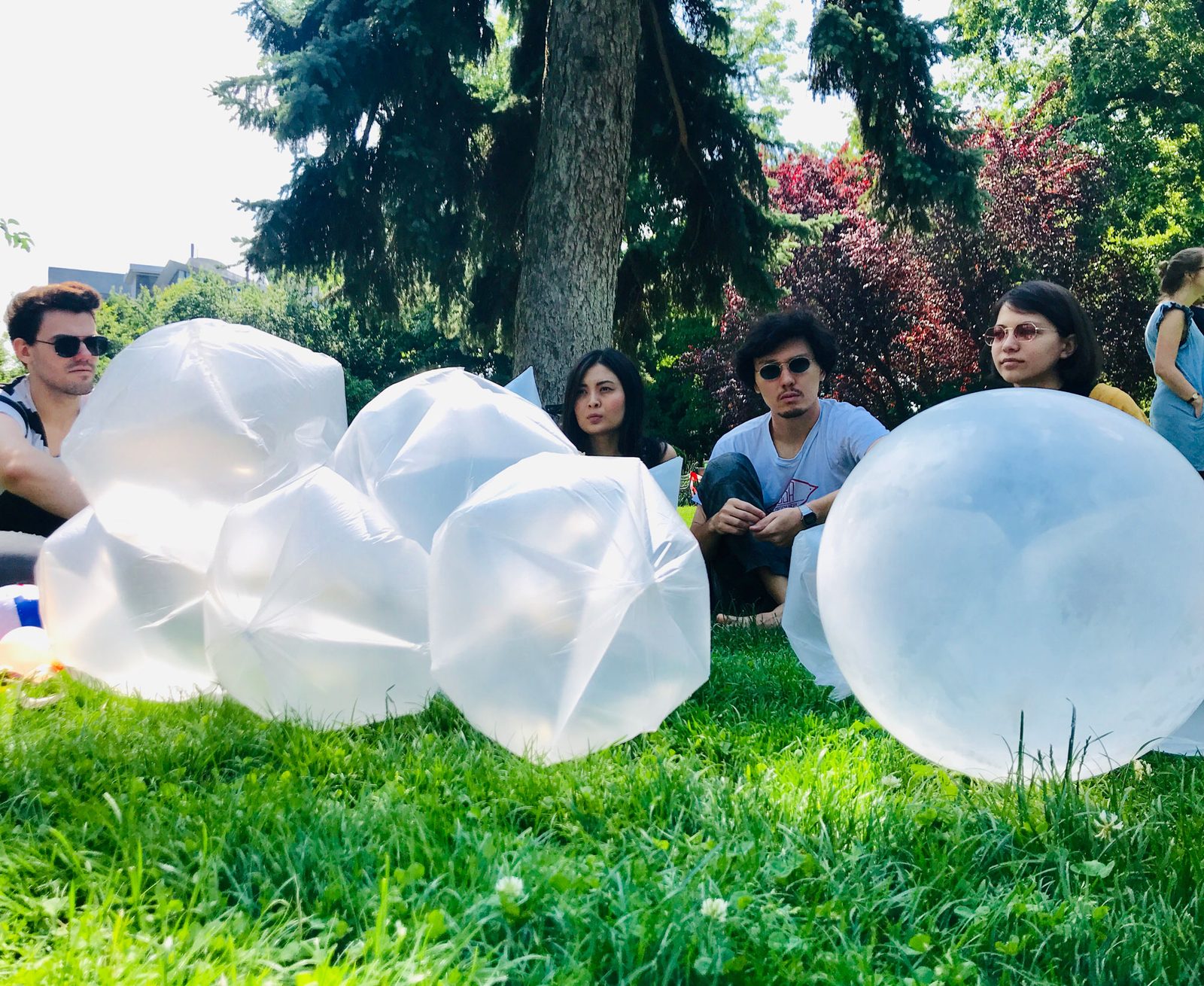
Our perception of space is as much influenced by material properties as it is by immaterial phenomena directly linked to our physical understanding of the world. Can we find ways to analyze, represent, and ultimately reproduce the immaterial as a way to come to a fuller understanding of the production of space?
Atmosphere & Effect II (2019)
IoA, University of Applied Arts Vienna
Teaching Team:
Gregorio Lubroth
Jona Wolf
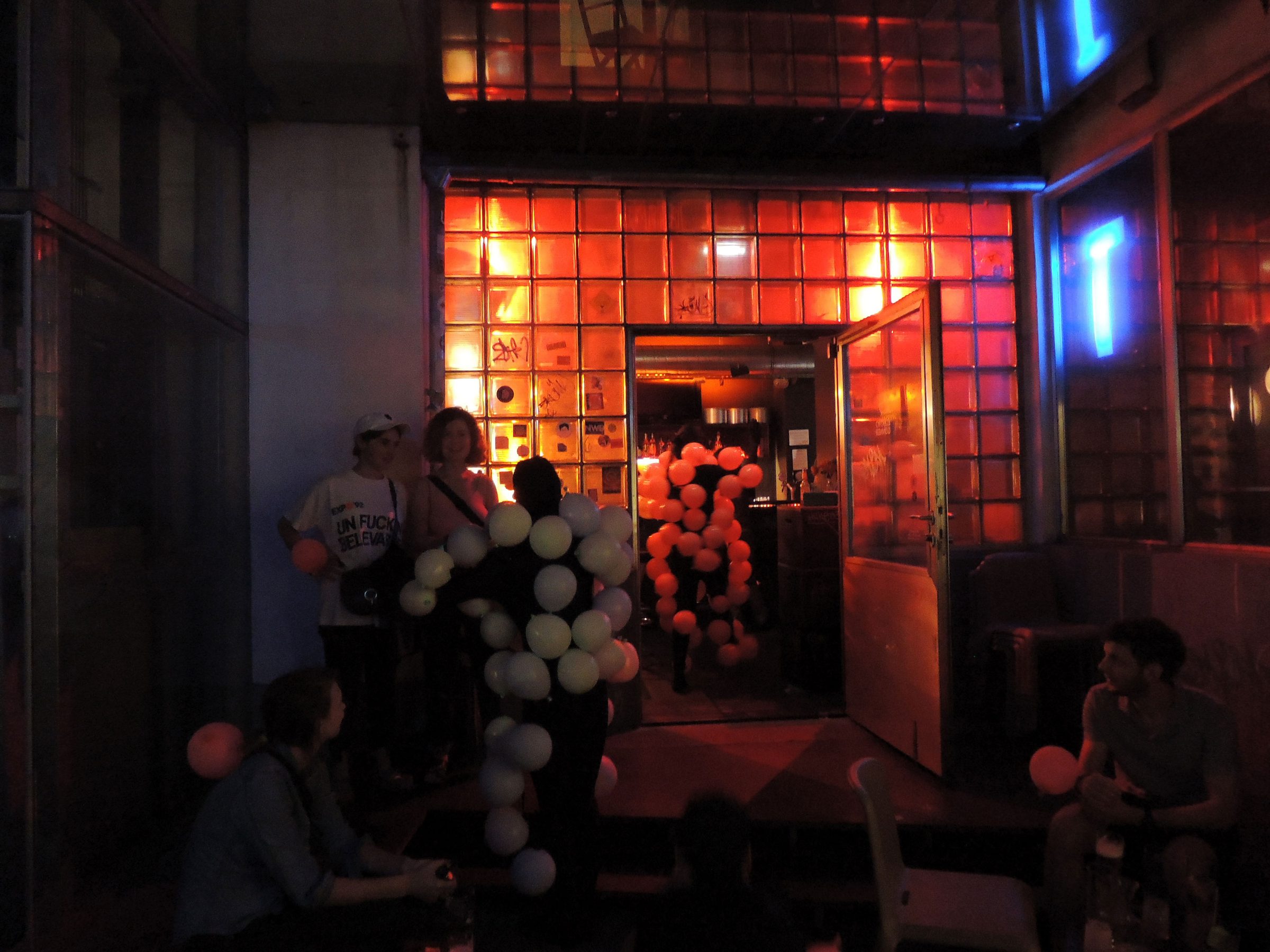
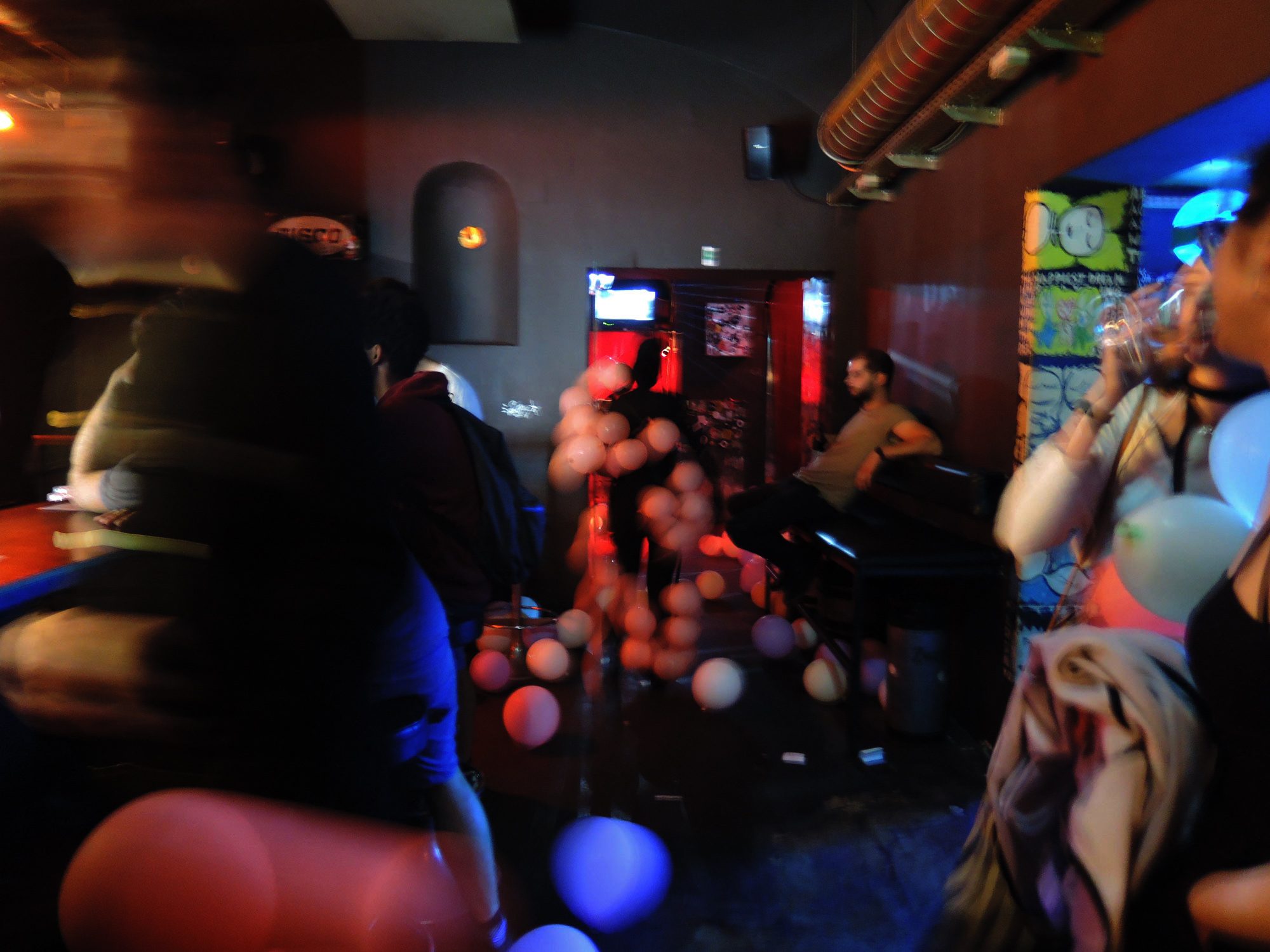
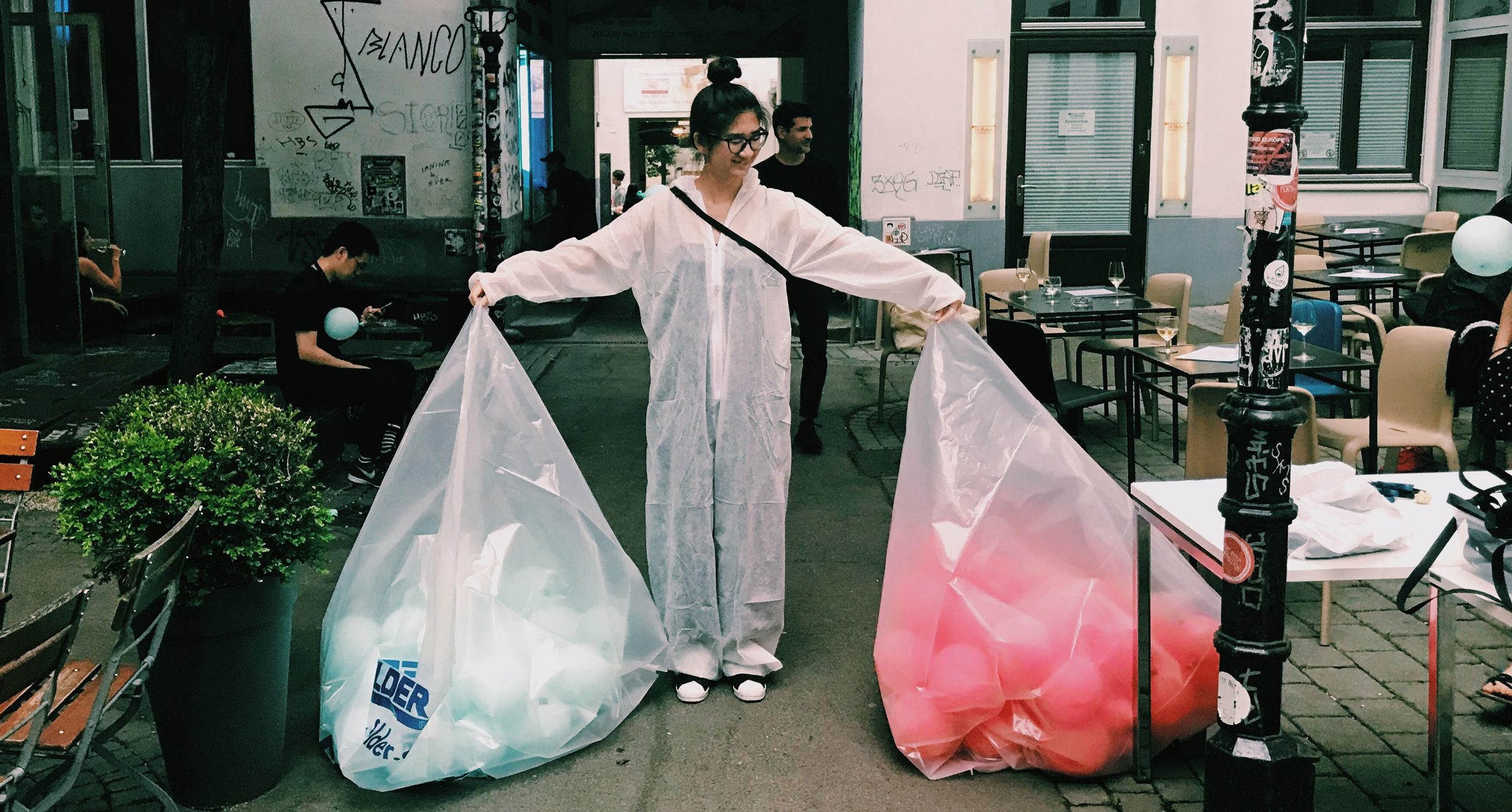
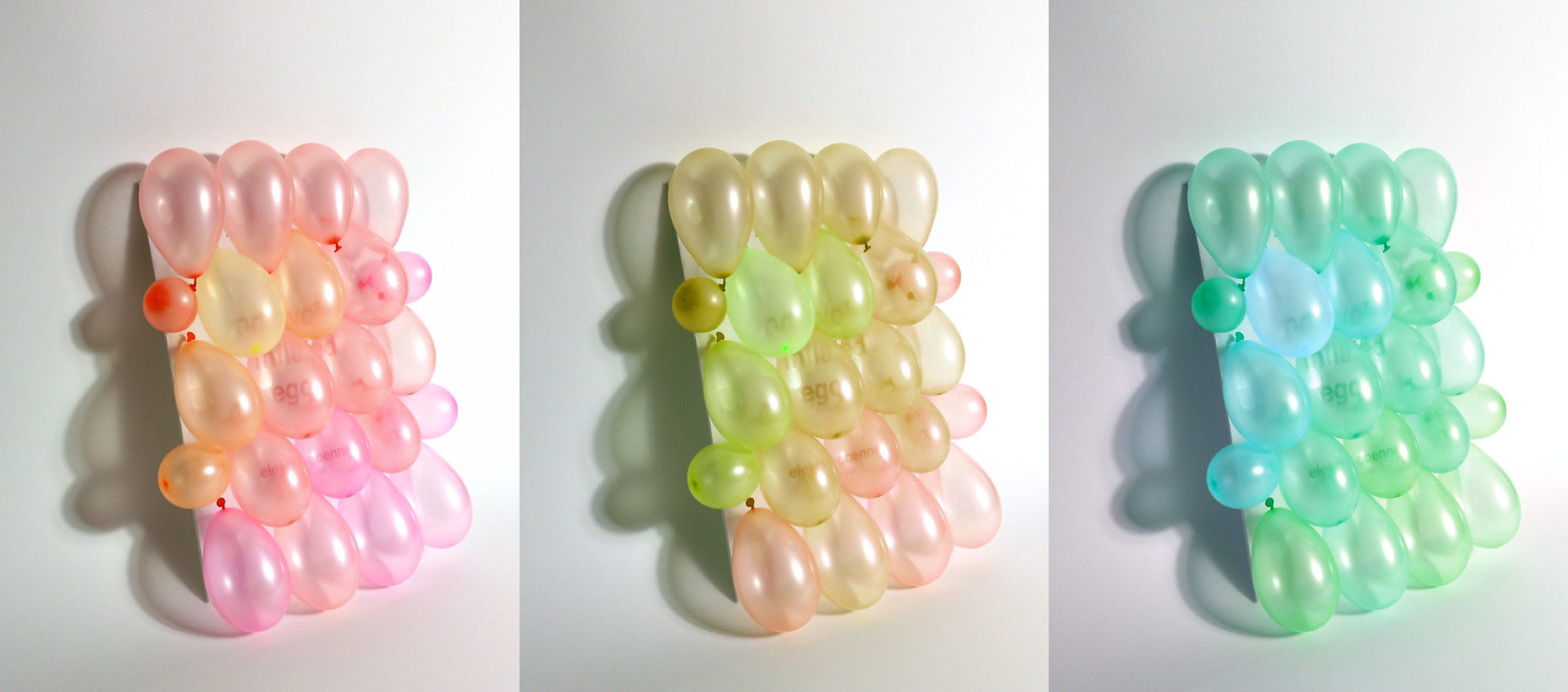
The seminar deals with the notion that our perception of space is as much influenced by material properties as it is by immaterial phenomena directly linked to our physical understanding of the world. The seminar asks: can we find ways to analyse, represent, and ultimately reproduce the immaterial as a way to come to a fuller understanding of the production of space? Each semester begins with a lecture that presents the students a wide range of precedents stemming from dance and choreography, conceptual and performance art, musical scores and sound installations. The lecture opens the field of inquiry beyond the usual territories of architecture. The lecture is followed by a field trip around Vienna during the course of an entire day. Each field trip is composed of a series of stations that describe a wide variety of atmospheres and experiences. The trip, which can start at a tram station, move to a public bathhouse, continue to a second-hand clothing store and end in a neighborhood dive bar, provides the opportunity to interface with the city in unusual and unexpected ways. The field trip is followed by an analysis of the various stations. In groups, the students invent a notational system to describe the immaterial qualities of their particular site. The students develop novel techniques to represent values such as sound, light, texture, movement, smell, and temperature. The student groups use what they learned from their notations and propose a site-specific event. The sites themselves are active places in the city, providing an opportunity for dialogue between the university and the public. The student proposals are represented in physical and digital models, diagrams, drawings, animations, and performances. The groups present their individual ideas to each other and decide on a singular strategy to implement as an entire class. The event itself is the culmination of the seminar. The seminar requires the students to coordinate themselves under a single goal: their event. Narrative and story-telling, media and communication, financing, material research and technical detailing become a series of critical tasks that the students tackle together as a group. The seminar is as much about understanding and creating atmospheres and experiences through specific effects, as it is about finding inventive strategies for collective endeavours. The students, as a group, are simultaneously makers, actors, critics, and authors.
Students: Zachary Beale, Zarina Belousova, Adriana Böck, Anni Dai, Anahita Dehlavi, Carmen Egger, Gakku Jumaniyasova, Yannik Kaiser, Konstantin Kim, Joyce Lee, Ferdinand Rubach, David Rüßkamp, Merve Sahin, Klidi Vucini, Chen Yang