Studio Sejima II
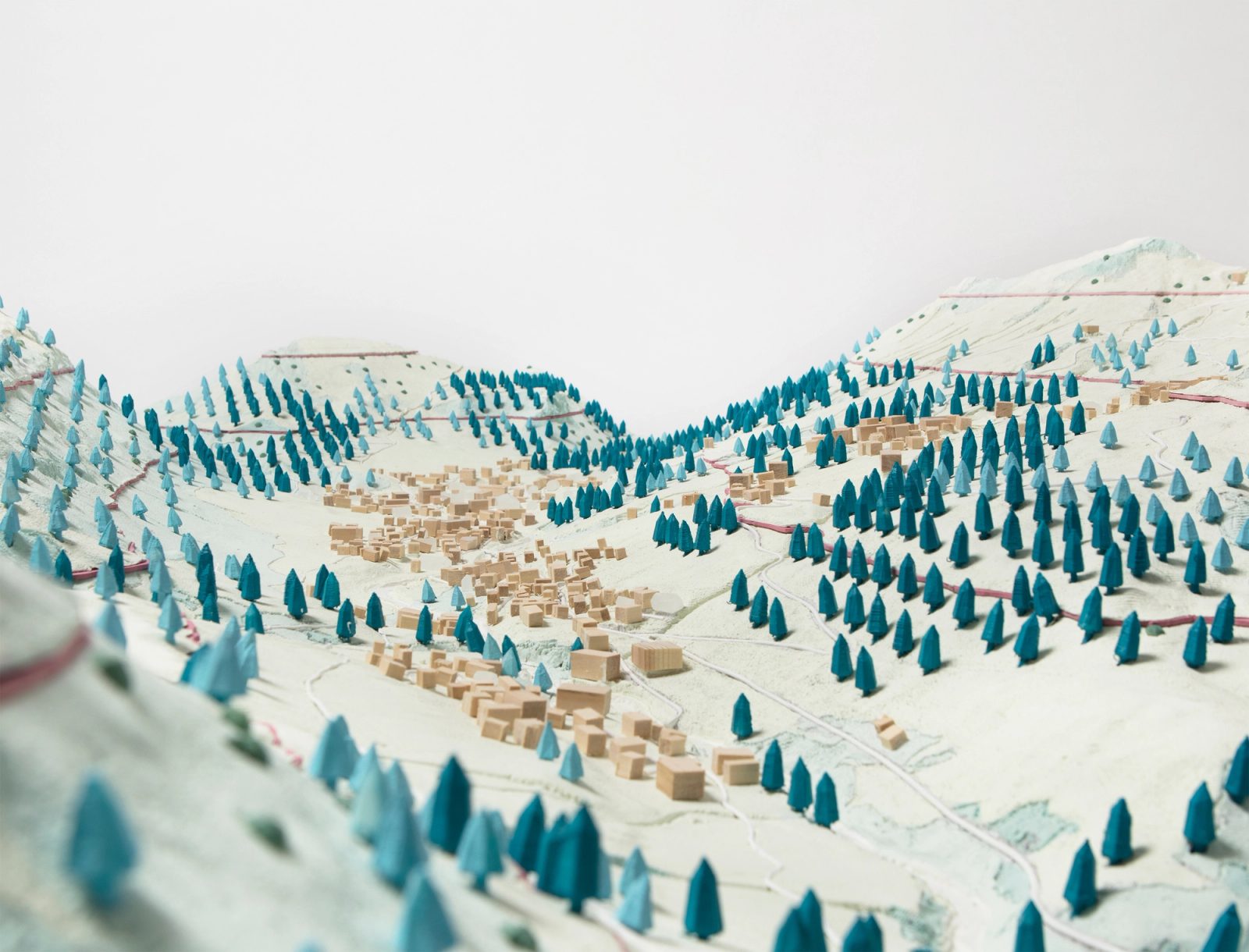
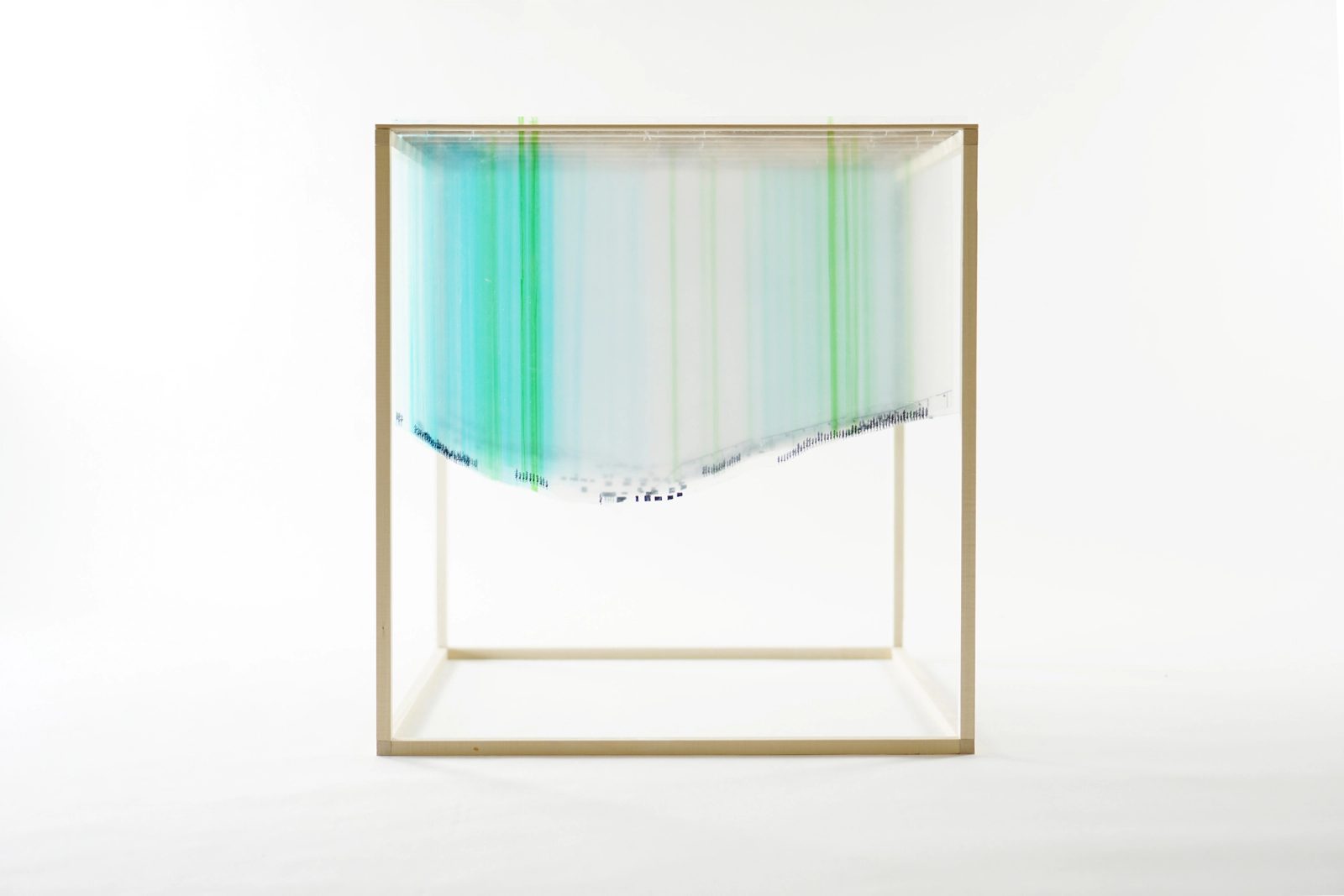
Village II (2018-2019): The semester elaborated on many of the themes that were established during our previous investigation of South Burgenland. We continued to ask if an architectural proposal can rearrange, sustain or even create a sense of community. We grounded our investigations on a clear reading of context. However, as our focus shifted to the opposite end of Austria, where we encountered a radically different topographical, cultural, and material context, we had to modify our questions and fine-tune our investigations.
Kazuyo Sejima, co-founder of SANAA, the Tokyo-based Pritzker Prize winning practice, was head of Institute of Architecture’s Studio-1 at the University of Applied Arts Vienna between the years 2015 and 2019. In keeping with her conception of architecture, the studio researched the complex relationships between architecture and its context as well as the intricate relationships between body and space. The studio set out to understand the meaning of sustainability, both in culture and society, through all these facets. During these four intense experimental years, the Studio Sejima was an educational hub and stimulating environment for over ninety students, backed by an engaged academic team, inspiring local and international guests.
Assistant Profesorship 2017-2019
IoA, University of Applied Arts Vienna
Teaching Team:
Kazuyo Sejima
Anna Gulińska
Gregorio S. Lubroth
Lucy Styles
Hannes Traupmann
Indrė Umbrasaitė
STUDENT WORK
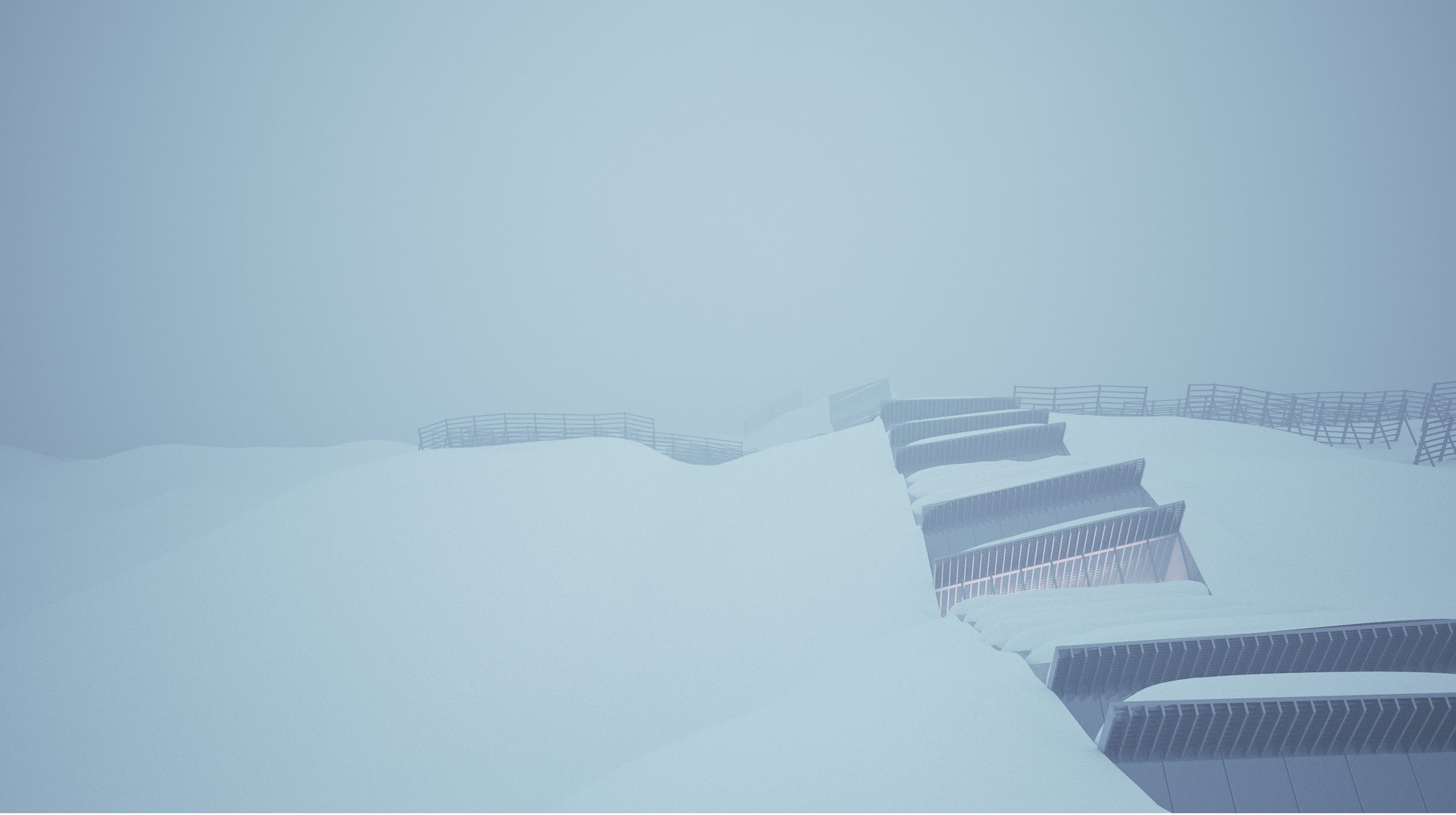
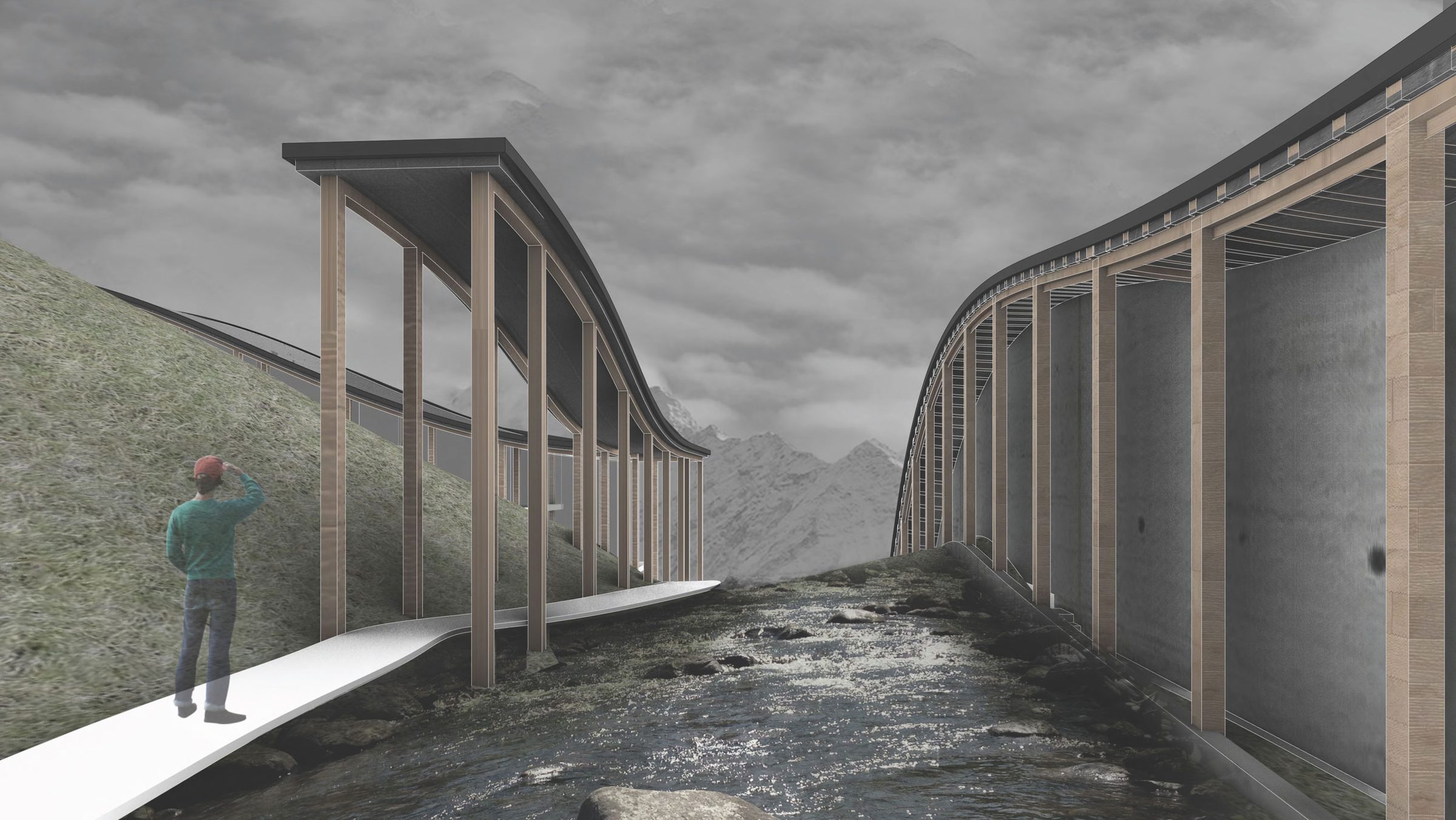
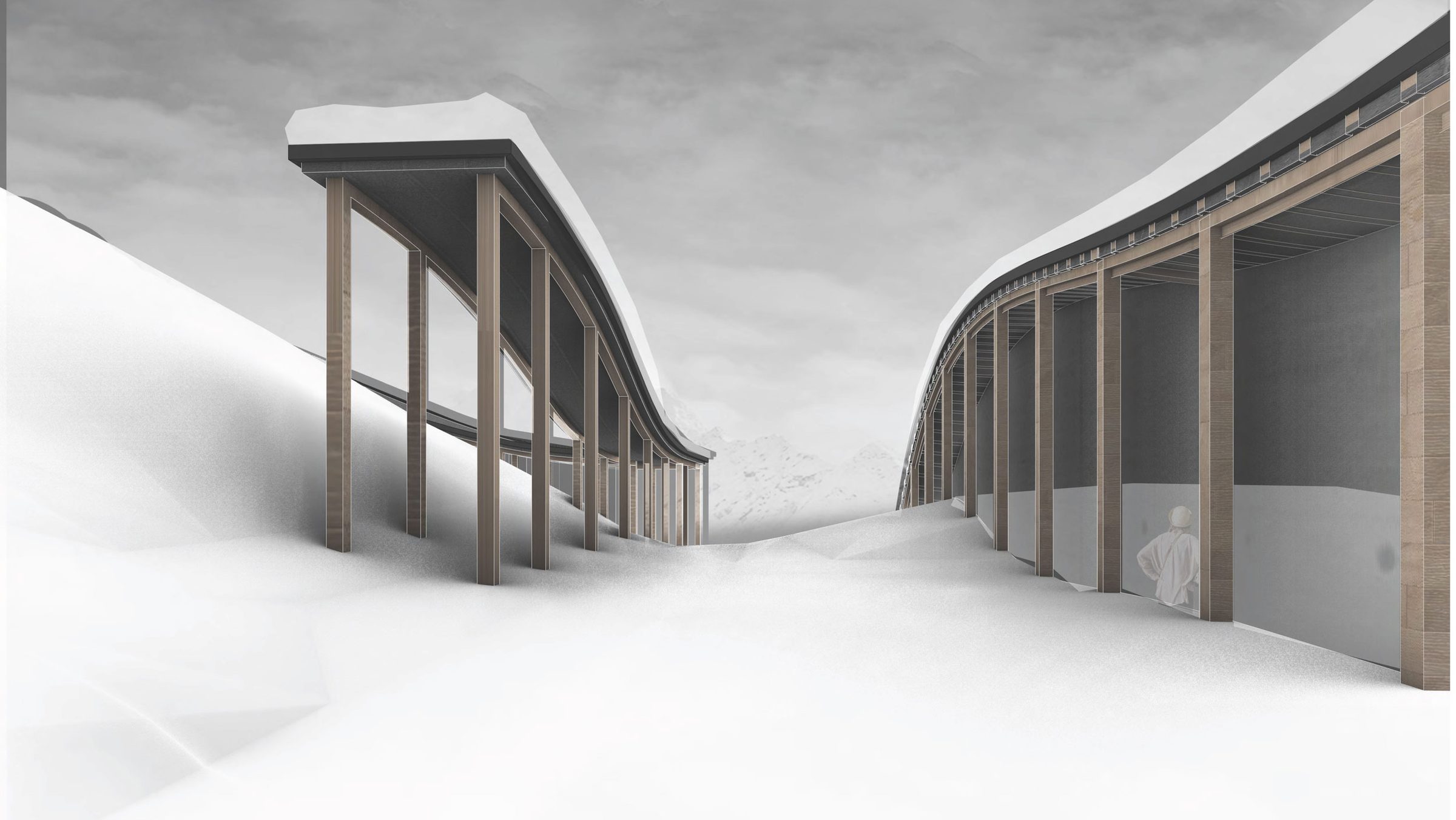
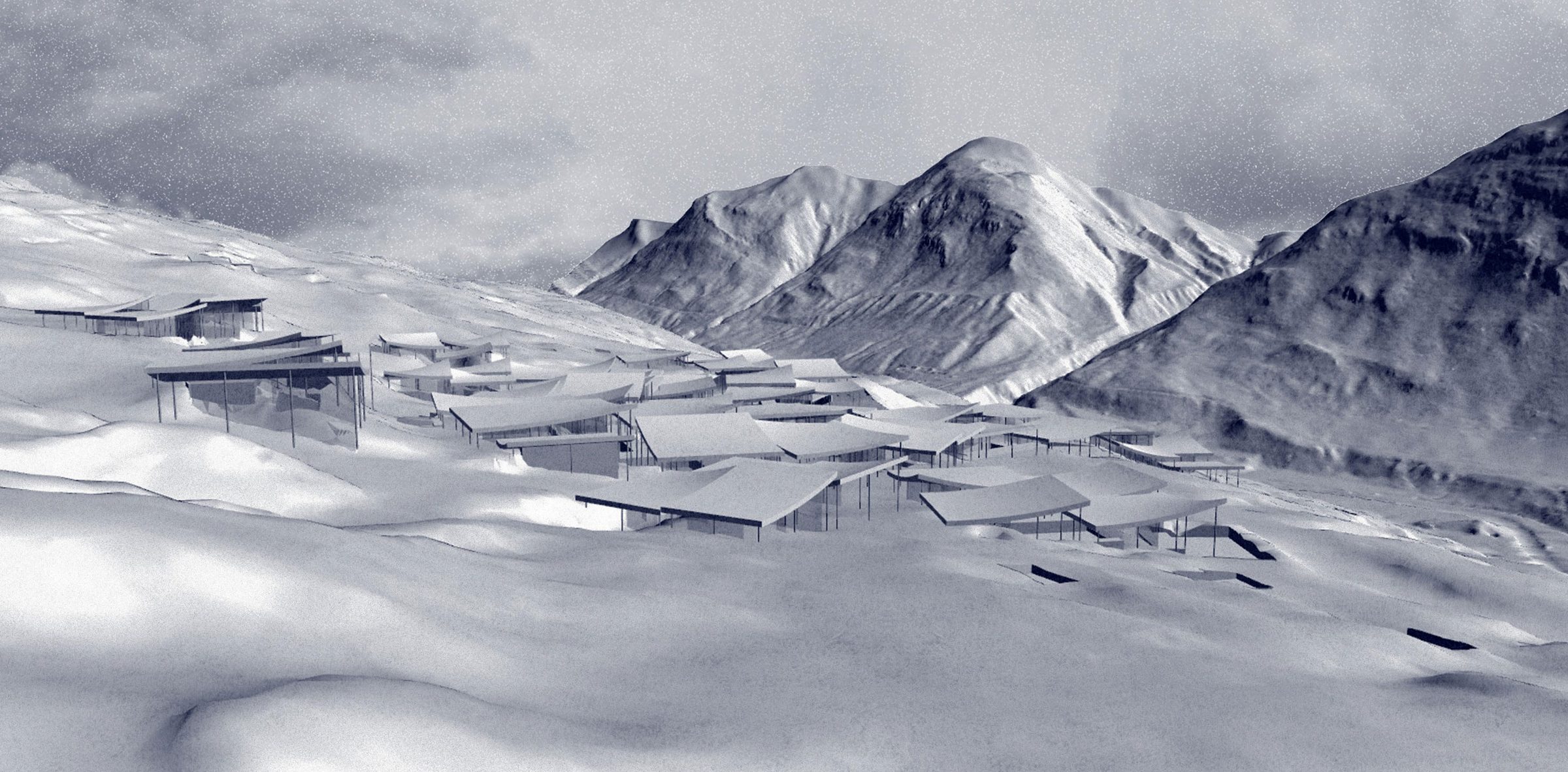
The semester elaborated on many of the themes that were established during our previous investigation of South Burgenland. We continued to ask if an architectural proposal can rearrange, sustain or even create a sense of community. We grounded our investigations on a clear reading of context. However, as our focus shifted to the opposite end of Austria, where we encountered a radically different topographical, cultural, and material context, we had to modify our questions and fine-tune our investigations. We dealt with Lech am Arlberg, a small alpine village in Vorarlberg, Austria’s westernmost province. Sitting at 1400 m, nestled in a picturesque mountain valley, Lech is not only a textbook example of what one would expect from an alpine resort, but arguably the premier ski destination in a country that defines a large part of its identity on the slopes. As such, Lech presented new contextual dynamics. The soft hills and agricultural plains of South Burgenland were replaced by dramatic limestone peaks and high pastures. Whereas the Burgenland towns are defined by their agricultural past and their uncertain economic futures, Lech, once a remote hamlet, has become an exclusive ski resort. In many ways, the two regions occupy polar opposites in an Austrian rural context. We had to come to terms with the particularities of a resort village. Seasonal shifts in Lech are not only characterized by natural transformations but also by dramatic demographic shifts. It is a town with a clear ‘on/off’ condition. We had to investigate the braided communities of local residents, seasonal tourists, and seasonal workers, and the resulting differences between programs as amenities versus programs for communities.
students: Chen Xing Wang, Godwin Cheung, Julian Heinen, Julian Raffetseder, Juliette Valat, Katia Simas, Klara Jörg, Klidi Vucini, Konstantin Kim, Madeleine Malle, Magdalena Gorecka, Martin Wild, Maythisa Yenchit, Michal Spolnik, Minho Hong, Toms Kampars, Ying Wang